7 Things to Know Before Choosing Formply for Concrete Projects
What exactly is formply, and how is it different from regular plywood?
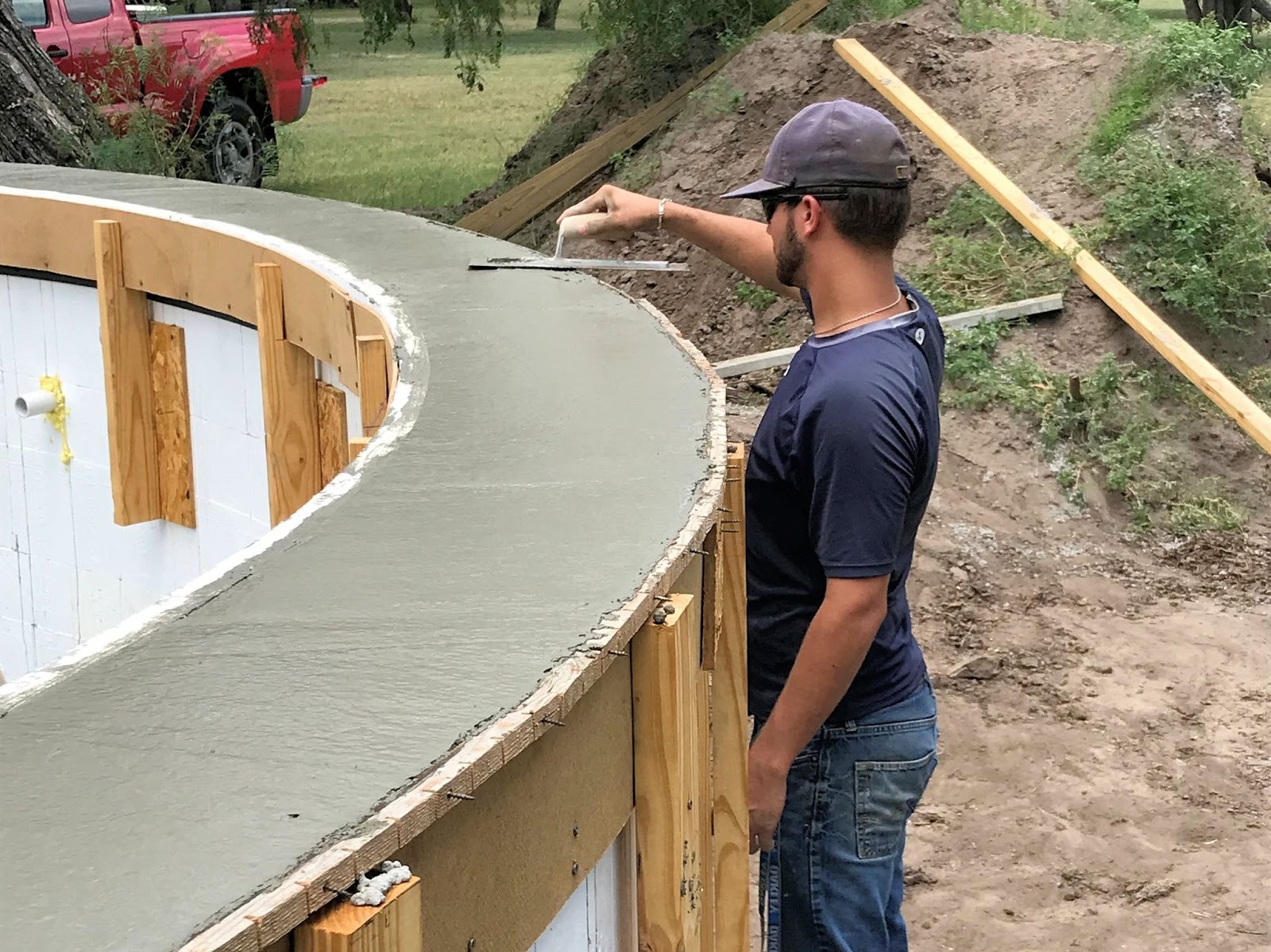
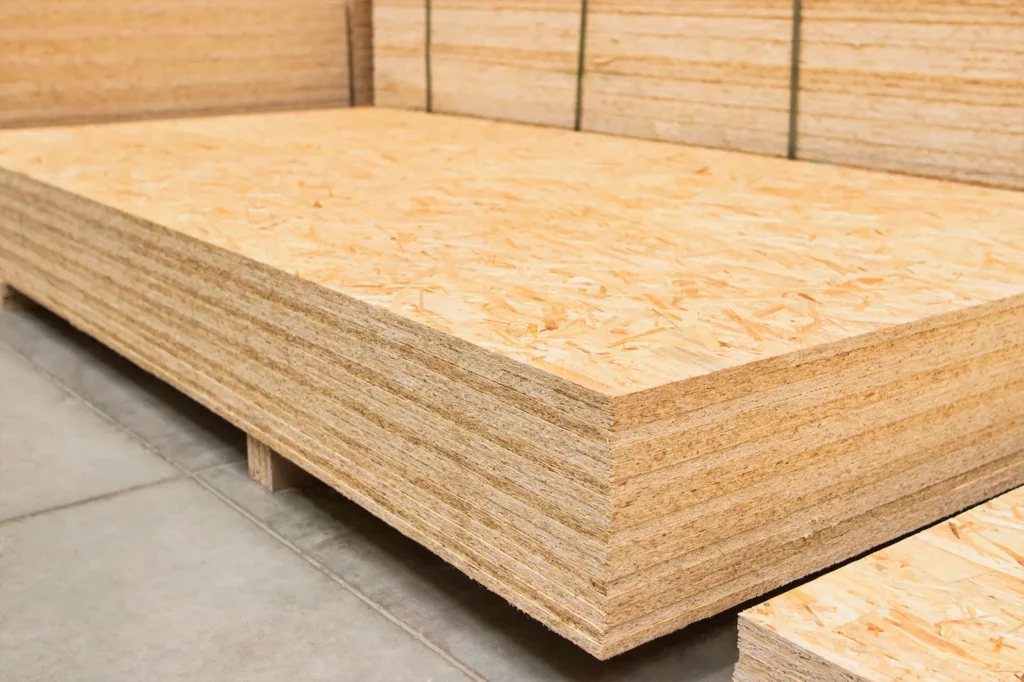
Formply is structural plywood made specifically for concrete formwork, usually with a resin-impregnated film face designed to resist moisture and create a smoother finish. Regular plywood can swell, delaminate, and telegraph veneer defects into the concrete more easily.
If they are choosing between the two, the key difference is repeatability. Formply is designed for multiple pours with less degradation, while standard ply is typically a single-use compromise.

Which thickness should they choose for their slab, wall, or column forms?
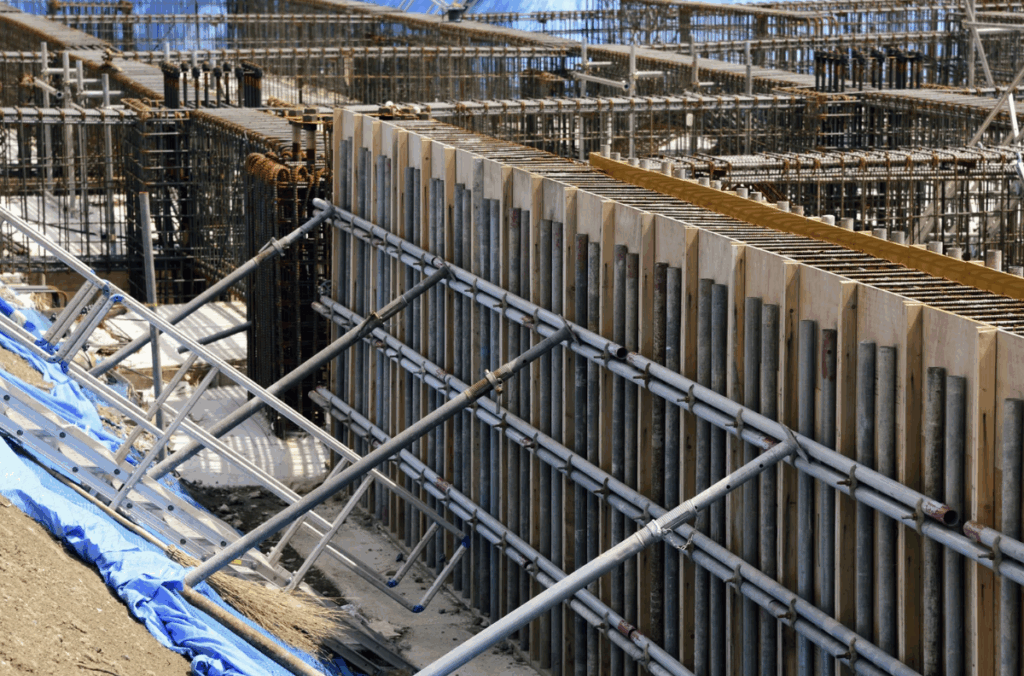
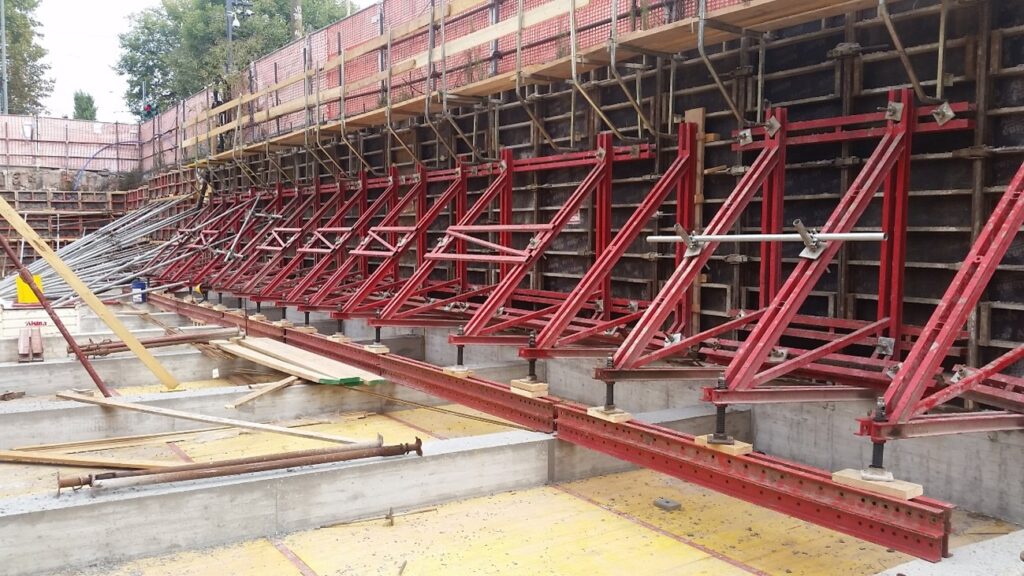
They should match thickness to span, load, and framing spacing, not just price. Thicker sheets generally deflect less under hydrostatic pressure, which helps keep faces straighter and reduces “bellying” in walls and columns.
As a rule of thumb, thin sheets can work on tight stud spacing and low pressures, but they become risky when pours are tall, fast, or poorly braced. If they are unsure, they should follow an engineered formwork design or manufacturer span tables, not guess.
What do the stress grade and structural ratings actually tell them?
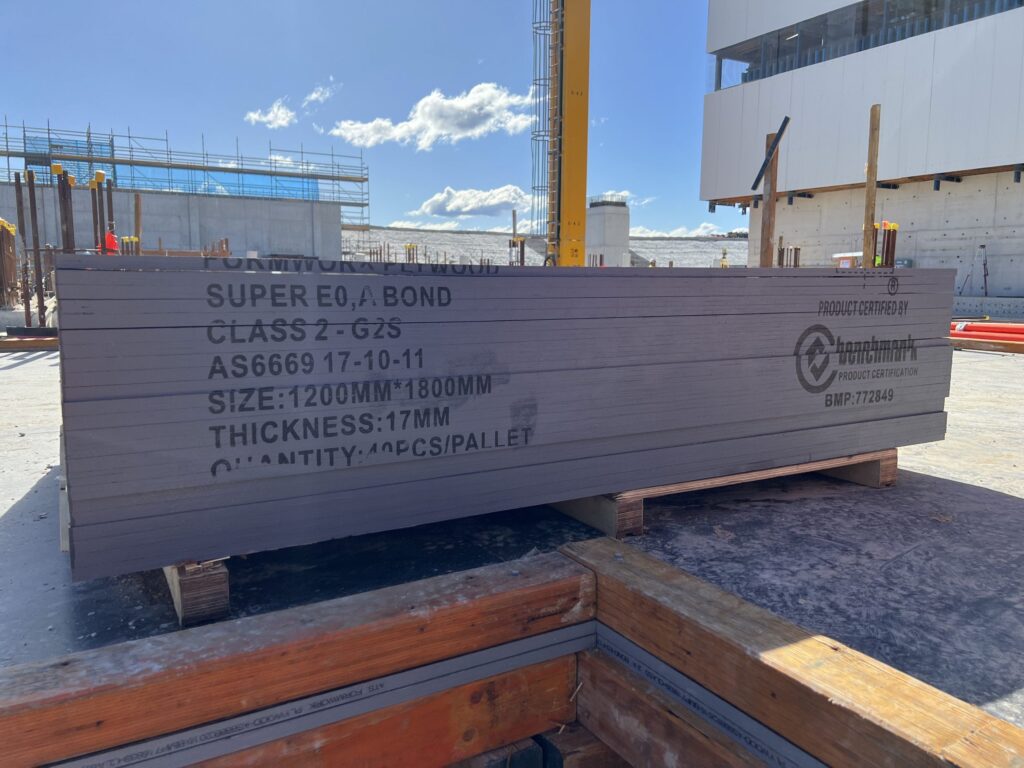
The stress grade (and relevant structural rating marks) indicates the sheet’s strength and stiffness performance. That matters because wet concrete behaves like a fluid and generates significant pressure, especially on vertical forms.
If they are comparing two sheets that look identical, the rated one is more likely to deliver consistent stiffness across a job. That consistency is what helps them avoid surprises like bowed faces, joint stepping, and form failure when the pump rate increases.
How does the film face affect the concrete finish and reusability?
The film is what gives formply its water resistance and finish quality. Higher-quality film faces tend to release better, reduce surface pinholing, and stay intact longer across repeated pours.
They should check both sides. Some formply is film-faced on both sides, which can improve durability when sheets get flipped or handled roughly. If the film scratches easily or wears through at edges quickly, they should expect fewer reuses and more patch work on the concrete.
Why do edge sealing and water resistance matter so much on site?
Edges are where many sheets fail first. Even with a good film face, water can penetrate through unsealed or poorly sealed edges, causing swelling and delamination that ruins alignment and finish.
They should look for properly sealed edges and keep them sealed during the project. If they cut sheets on site, resealing those edges is not optional if they want multiple reuses. Leaving cut edges exposed is one of the fastest ways to turn “formply” into single-use waste.
What should they check about sheet size, weight, and handling before ordering?
They should confirm that sheet dimensions suit the formwork layout and the crew’s handling capability. Larger sheets can reduce joints and improve finish, but they also increase manual handling strain and can be awkward in tight access areas.
They should also plan storage and protection. Sheets left exposed to weather, mud, or uneven stacking can warp and chip, which shows up later as misalignment, grout loss at joints, and visible defects in the cured concrete.
How can they estimate the real cost, including reuses and labour?
They should price formply like a system, not a sheet. The cheapest option can become the most expensive once they add extra bracing, slower pours, patching, sanding, and early replacement.
A practical approach is to estimate expected reuses, then divide total sheet cost by realistic cycles on their site conditions. If one sheet lasts 5 pours and another lasts 12 with less repair time, the “expensive” sheet often wins on total cost and programme reliability.
Choosing formply is really about controlling risk: deflection, water damage, surface finish, and how many pours they can get before the sheets become liabilities. When they match thickness and rating to the pour, protect edges, and plan for handling and reuse, formply stops being a guess and becomes a predictable part of the concrete workflow.
FAQs (Frequently Asked Questions)
What is formply and how does it differ from regular plywood used in concrete formwork?
Formply is a type of structural plywood specifically designed for concrete formwork, featuring a resin-impregnated film face that resists moisture and provides a smoother concrete finish. Unlike regular plywood, which can swell, delaminate, and transfer veneer defects into the concrete, formply offers greater repeatability and durability across multiple pours.
How do I choose the right thickness of formply for slabs, walls, or columns?
Selecting the appropriate thickness depends on the span, load, and framing spacing rather than just price. Thicker sheets generally deflect less under hydrostatic pressure, maintaining straighter faces and reducing bulging in walls and columns. For tall or fast pours or poorly braced forms, thicker formply is safer. When uncertain, follow engineered design guidelines or manufacturer span tables instead of guessing.
What do stress grades and structural ratings on formply indicate?
Stress grades and structural ratings reflect a sheet’s strength and stiffness performance, critical because wet concrete exerts significant fluid pressure on vertical forms. Rated formply ensures consistent stiffness across a project, helping prevent issues like bowed faces, joint stepping, or form failure during increased pump rates.
How does the film face on formply affect concrete finish quality and sheet reusability?
The film face provides water resistance and influences finish quality by promoting better release from concrete and reducing surface pinholing. High-quality film faces remain intact over multiple pours. Sheets with film on both sides offer enhanced durability when flipped or handled roughly. If the film wears through quickly or scratches easily, expect fewer reuses and more patching work. You may like to visit https://goatdairyessay.com/formply-australia-standards-what-builders-need-to-check/ to get more about : Formply Australia Standards: What Builders Need to Check.

Why is edge sealing important for formply performance on site?
Edges are often the first point of failure due to water penetration through unsealed or poorly sealed edges causing swelling and delamination. Properly sealed edges maintain alignment and finish quality over multiple uses. When cutting sheets onsite, resealing cut edges is essential to prevent turning reusable formply into single-use waste.
How should I consider sheet size, weight, handling, and storage before ordering formply?
Confirm that sheet dimensions align with your formwork layout and crew handling capacity. Larger sheets reduce joints but may increase manual strain and be difficult in tight spaces. Plan for proper storage to protect sheets from weather, mud, or uneven stacking that can cause warping or chipping—issues that lead to misalignment and visible defects in cured concrete.