Using Plywood for Curved Concrete Forms: Techniques and Tools
Why Should They Use Plywood for Curved Concrete Forms?
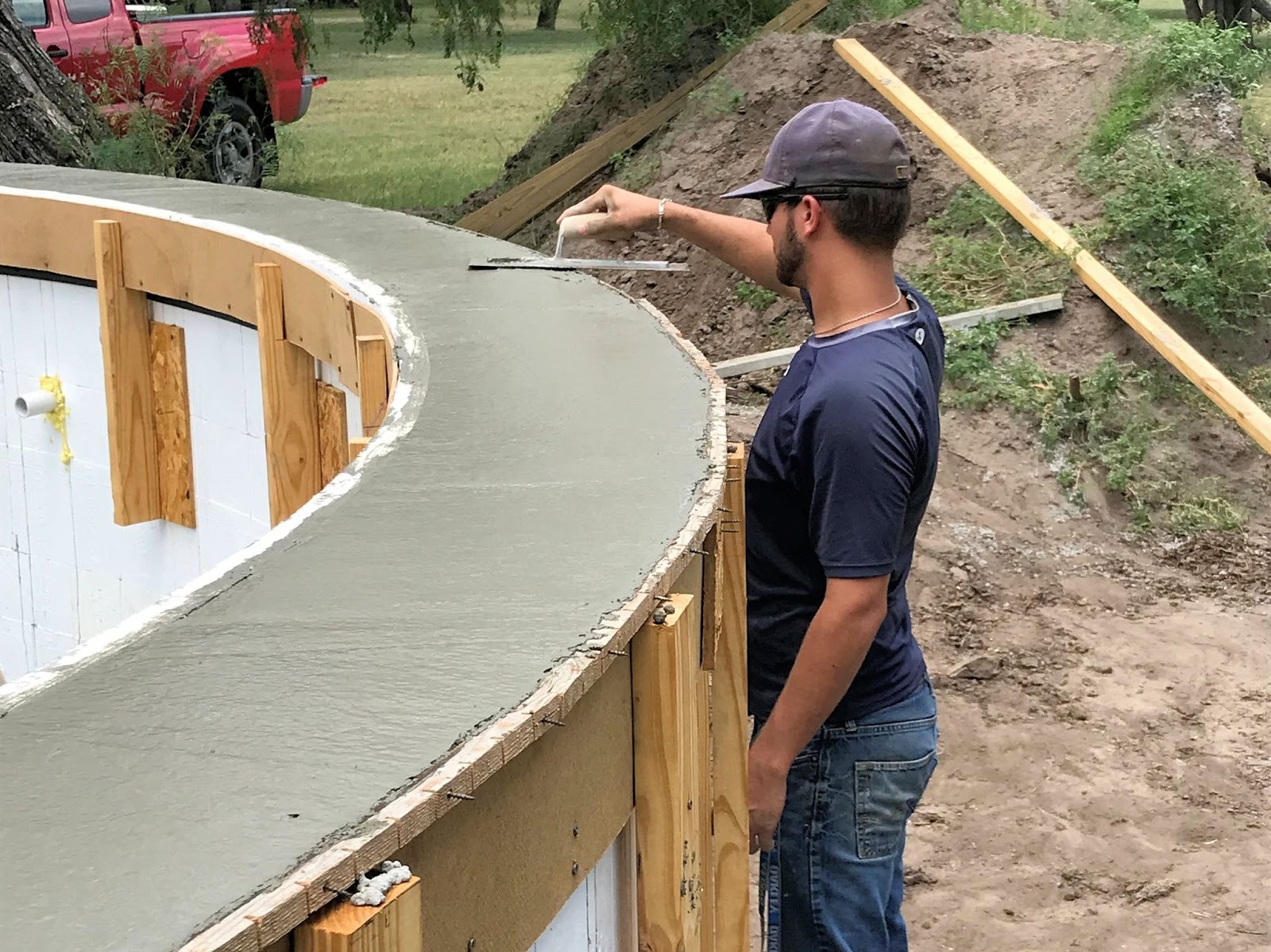
Plywood is the best choice for making curved concrete forms. It is flexible and cost-effective, making it perfect for modern construction. Builders can use plywood to create smooth curves that are essential for great architecture.
Key advantages of plywood in curved concrete construction:
- Adaptability: Plywood bends naturally to create both gentle and dramatic curves without compromising structural integrity
- Surface Quality: High-grade plywood delivers smooth concrete finishes, reducing the need for post-pour treatments
- Cost-Effective: You can reuse quality plywood forms multiple times, maximising your investment
- Workability: The material’s lightweight nature makes it easy to handle and position on-site
- Strength: Professional-grade formwork plywood maintains its shape under concrete pressure
The combination of strength and flexibility makes plywood particularly suitable for creating architectural features such as:
- Curved walls and facades
- Spiral staircases
- Round columns
- Arched doorways
- Decorative concrete elements
The material’s ability to create precise curves while withstanding the substantial pressure of wet concrete makes it indispensable in modern construction. Professional builders appreciate plywood’s predictable behaviour and reliable performance, ensuring consistent results across various curved concrete applications.
What Are the Different Types of Plywood Suitable for Curved Concrete Forms?
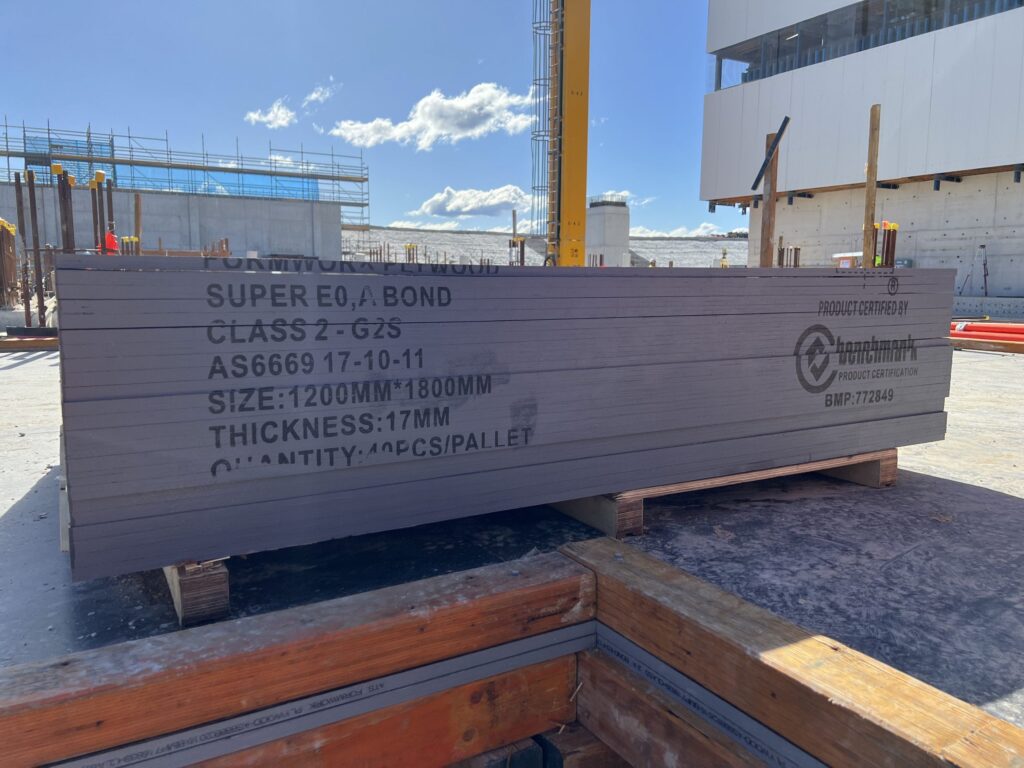
The Australian construction industry relies on specific plywood curved concrete formwork. Here’s what you need to know about each type:
F14 vs F17 Plywood
- F14 plywood offers standard strength suitable for basic curved forms
- F17 delivers higher structural capacity, ideal for complex curves
- F17’s enhanced density creates smoother concrete finishes
- F14 proves cost-effective for simpler projects with gentle curves
High-Density Overlay (HDO) Plywood
- Features a resin-impregnated overlay for superior concrete finish
- Resists moisture penetration, extending form lifespan
- Creates ultra-smooth concrete surfaces
- Allows multiple reuses, reducing material costs
Laminated Veneer Lumber (LVL) Formwork
- Engineered for maximum strength in curved applications
- Maintains dimensional stability under pressure
- Achieves tighter radius curves than standard plywood
- Reduces the need for additional support structures
Each plywood type serves specific curved formwork needs. HDO plywood suits architectural concrete where surface finish is crucial. LVL formwork excels in projects requiring precise curves and high structural integrity. Your choice depends on project requirements, curve complexity, and desired concrete finish quality.
Learn more on: Where to Buy Formply and Concrete Form Plywood in Australia
How Can They Shape Plywood Effectively for Curved Concrete Forms?
Shaping plywood for curved concrete forms requires specific techniques to achieve precise, smooth curves without compromising structural integrity. You’ll find two primary methods dominate the industry: steam bending and CNC cutting.
Steam Bending Technique
- Heat plywood to 82°C (180°F) for optimal flexibility
- Apply steam treatment for 1 hour per 25mm thickness
- Use gradual pressure to create natural bends
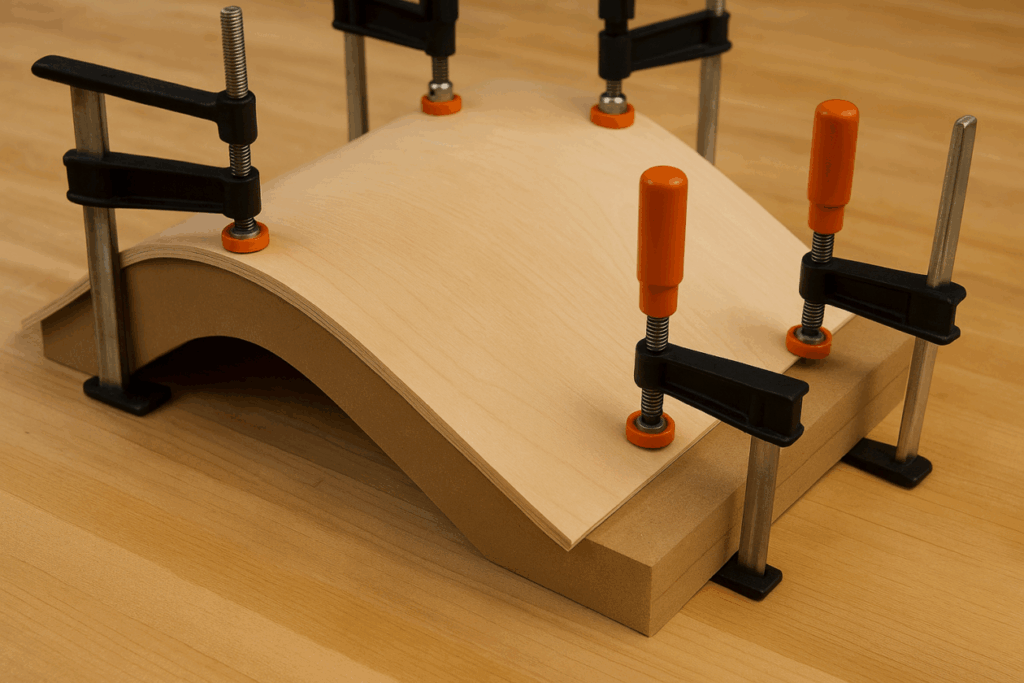
- Secure bent plywood with clamps during cooling
- Allow 24-hour setting time for permanent shape retention
CNC Cutting Method
- Creates precise, repeatable curves through digital design
- Reduces material waste through optimised cutting patterns
- Achieves complex shapes impossible with traditional bending
- Maintains consistent structural integrity across curves
- Enables quick production of multiple identical forms
Key Considerations for Both Methods
The grain direction plays a crucial role in successful plywood shaping:
- Bend perpendicular to grain for maximum flexibility
- Use thinner plywood sheets (12-15mm) for tighter curves
- Apply release agents before concrete pouring
- Check moisture content stays below 19% during shaping
- Reinforce curved sections with additional support brackets
For radii tighter than 600mm, you’ll need to layer multiple thin sheets rather than attempting to bend a single thick piece. This lamination technique creates stronger forms capable of withstanding concrete pressure while maintaining smooth curves. Find more about lamination on https://www.hchlabelroll.com/info/what-is-the-medical-term-lamination–90197480.html
What Preparation Steps Do They Need to Follow Before Using Plywood Forms?
Proper preparation of plywood forms creates the foundation for successful curved concrete structures. The selection of appropriate thickness and edge treatment determines the quality of your final concrete surface.
Selecting the Right Thickness
The thickness of your plywood directly impacts its ability to hold curved shapes:
- 12mm – Suitable for gentle curves with radii greater than 2.5m
- 18mm – Ideal for standard architectural curves
- 25mm – Required for structural elements bearing significant concrete loads
Edge Treatment Techniques
Raw plywood edges can compromise your concrete finish. Essential edge preparation includes:
- Sanding all edges with 120-grit sandpaper
- Applying edge sealer to prevent moisture absorption
- Installing rubber gaskets at joints to prevent concrete seepage
Surface Preparation Requirements
Your plywood surface needs specific treatment before concrete pouring:
- Clean the surface thoroughly to remove dust and debris
- Apply release agent evenly across the entire surface
- Check for protruding nails or screws
- Seal all joints with appropriate tape or sealant
The quality of your edge treatment directly affects concrete finish quality. Rough or poorly sealed edges lead to:
- Concrete bleeding
- Surface imperfections
- Reduced form lifespan
- Increased maintenance costs
Professional-grade edge sealers provide optimal protection against moisture penetration and extend your form’s usable life. Apply two coats of sealer, allowing proper drying time between applications.
Which Concrete Pouring Techniques Work Best with Plywood Forms?
Successful concrete pouring with plywood forms requires precise techniques to achieve optimal results. Here’s a detailed breakdown of effective pouring methods:
1. Incremental Placement
- Pour concrete in layers of 300-450mm
- Allow each layer to settle before adding the next
- Maintain consistent pouring speed to prevent form displacement
- Start from the corners, working towards the centre
2. Strategic Vibration
- Use internal vibrators at 300-600mm intervals
- Keep vibrator vertical during operation
- Insert vibrator quickly, withdraw slowly
- Avoid touching reinforcement or formwork with vibrator
3. Pour Rate Control
- Match pour rate to form strength
- Limit pressure on forms to prevent bulging
- Monitor temperature during pour
- Adjust speed based on concrete consistency
4. Form Protection
- Apply release agent evenly before pouring
- Check form stability during pour
- Monitor joints for potential leakage
- Keep forms damp in hot weather
5. Equipment Requirements
- Internal vibrators (25-75mm diameter)
- Concrete pump or crane bucket
- Pour tubes for deep sections
- Backup vibrators on standby
Proper concrete placement techniques with plywood forms create strong, aesthetically pleasing curved surfaces. The combination of controlled pouring rates, strategic vibration, and careful monitoring ensures optimal results. To read more about vibration click here.
What Environmental Considerations Should They Keep in Mind When Using Plywood for Curved Concrete Forms?
Environmental factors play a crucial role in the success of concrete curing when using plywood forms. Temperature, humidity, and weather conditions directly impact the final strength and appearance of curved concrete structures.
Temperature Control
- Maintain concrete temperature between 10°C and 32°C during curing
- Use insulated blankets in cold weather to prevent freezing
- Apply water cooling techniques in hot conditions
- Monitor temperature differences between concrete surface and core
Moisture Management
- Keep plywood forms damp during the first 7 days of curing
- Apply curing compounds to prevent rapid moisture loss
- Install protective covers during rain to prevent water damage
- Check moisture content regularly with specialised meters
Wind Protection
- Set up wind barriers to prevent rapid surface drying
- Use shade mesh to reduce direct sun exposure
- Position curved forms away from strong air currents
- Monitor evaporation rates in windy conditions
Seasonal Adjustments
- Adjust concrete mix designs based on seasonal temperatures
- Schedule pours during optimal weather conditions
- Modify curing times according to ambient temperature
- Plan for longer curing periods during winter months
Site-Specific Considerations
- Account for local climate patterns
- Consider the orientation of curved forms relative to sun exposure
- Monitor ground conditions and drainage
- Implement appropriate ventilation in enclosed spaces
Are There Any Advanced Tools or Innovations That Can Enhance Their Work with Curved Formwork?
Modern construction technology brings innovative solutions to curved formwork challenges. These advanced tools streamline the process while improving precision and efficiency.
1. Adjustable Formwork Systems
- Telescopic support beams with variable radius settings
- Hydraulic adjustment mechanisms for real-time curve modifications
- Digital measurement systems for exact curvature control
2. Smart Formwork Technology
- Integrated sensors monitoring concrete pressure
- Real-time data collection for optimal curing conditions
- Automated release systems for precise timing
3. Specialised Equipment
- CNC-guided cutting machines for precise plywood shaping
- Laser-guided alignment tools
- Digital templates for complex curved designs
4. Advanced Formwork Accessories
- Quick-release clamps designed for curved surfaces
- Flexible edge protectors
- Custom-designed corner pieces for smooth transitions
5. Digital Planning Tools
- 3D modelling software for formwork design
- Building Information Modelling (BIM) integration
- Virtual reality visualisation for complex curves
These innovations reduce labour costs and minimise material waste while achieving higher quality results. Construction teams using these advanced tools report up to 40% faster assembly times and significantly improved accuracy in curved concrete structures.
The combination of traditional plywood forms with these modern tools creates a robust system for curved concrete construction. Each technological advancement builds upon proven formwork techniques, enhancing rather than replacing established methods.
How Can Combining Traditional Skills and Modern Tools Lead to Efficient Construction of Aesthetically Pleasing Structures?
The combination of traditional craftsmanship with modern technology creates remarkable curved concrete structures. Master builders’ expertise in plywood manipulation, combined with digital design tools, produces precise and beautiful forms.
Key Integration Points:
- Hand-selected plywood grades matched with computer-modelled stress calculations
- Traditional steam bending techniques enhanced by automated moisture control systems
- Skilled manual finishing complemented by CNC-cut components
- Time-tested formwork assembly methods supported by 3D-printed connection points
This balanced approach delivers:
- Reduced material waste
- Faster construction timelines
- Higher quality finished surfaces
- Improved structural integrity
The combination of old-world knowledge and cutting-edge tools empowers builders to push the boundaries of curved concrete design while maintaining practical buildability and cost-effectiveness.