Tiles and Baths Ideas

Formply

7 Things to Know Before Choosing Formply for Concrete Projects

What exactly is formply, and how is it different from regular plywood?

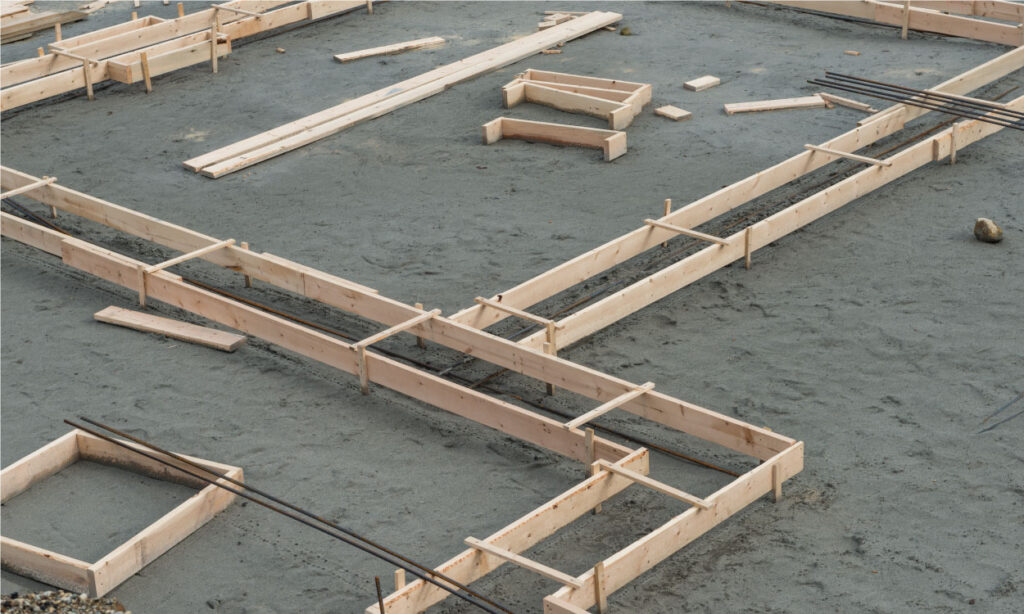
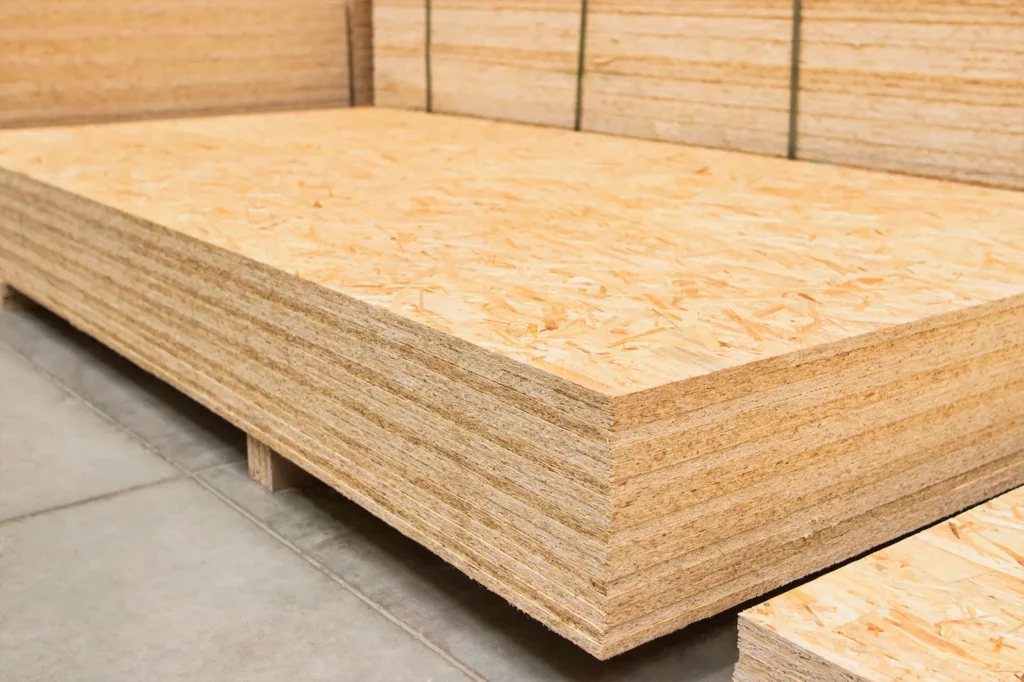
Formply is structural plywood made specifically for concrete formwork, usually with a resin-impregnated film face designed to resist moisture and create a smoother finish. Regular plywood can swell, delaminate, and telegraph veneer defects into the concrete more easily.

If they are choosing between the two, the key difference is repeatability. Formply is designed for multiple pours with less degradation, while standard ply is typically a single-use compromise.

Formply

Which thickness should they choose for their slab, wall, or column forms?

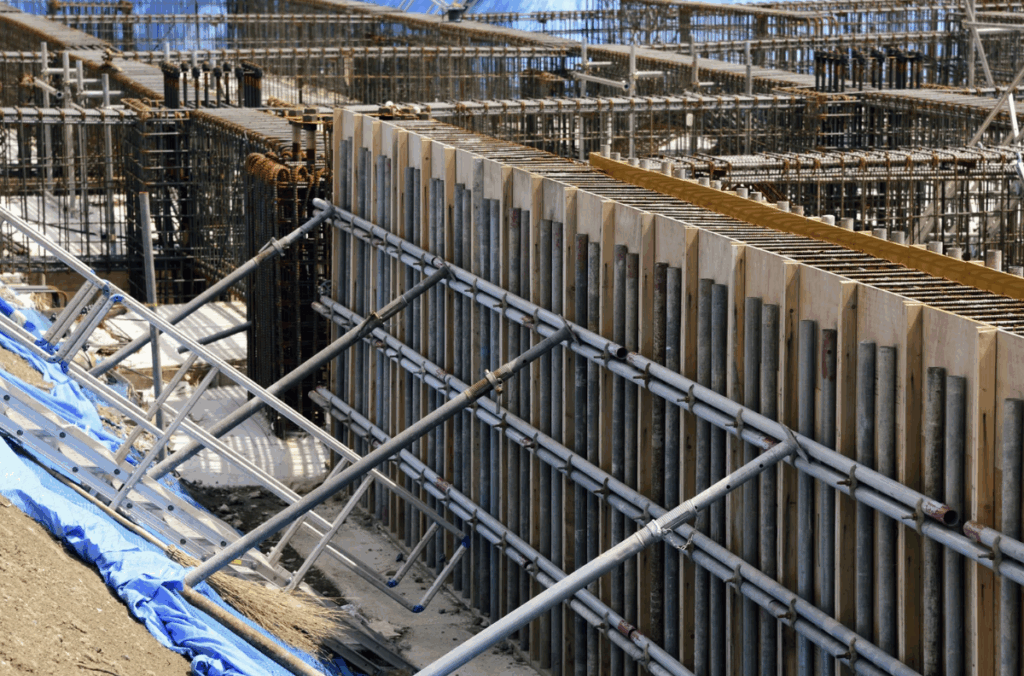
They should match thickness to span, load, and framing spacing, not just price. Thicker sheets generally deflect less under hydrostatic pressure, which helps keep faces straighter and reduces “bellying” in walls and columns.

As a rule of thumb, thin sheets can work on tight stud spacing and low pressures, but they become risky when pours are tall, fast, or poorly braced. If they are unsure, they should follow an engineered formwork design or manufacturer span tables, not guess.

What do the stress grade and structural ratings actually tell them?

The stress grade (and relevant structural rating marks) indicates the sheet’s strength and stiffness performance. That matters because wet concrete behaves like a fluid and generates significant pressure, especially on vertical forms.

If they are comparing two sheets that look identical, the rated one is more likely to deliver consistent stiffness across a job. That consistency is what helps them avoid surprises like bowed faces, joint stepping, and form failure when the pump rate increases.

How does the film face affect the concrete finish and reusability?

The film is what gives formply its water resistance and finish quality. Higher-quality film faces tend to release better, reduce surface pinholing, and stay intact longer across repeated pours.

They should check both sides. Some formply is film-faced on both sides, which can improve durability when sheets get flipped or handled roughly. If the film scratches easily or wears through at edges quickly, they should expect fewer reuses and more patch work on the concrete.

Why do edge sealing and water resistance matter so much on site?

Edges are where many sheets fail first. Even with a good film face, water can penetrate through unsealed or poorly sealed edges, causing swelling and delamination that ruins alignment and finish.

They should look for properly sealed edges and keep them sealed during the project. If they cut sheets on site, resealing those edges is not optional if they want multiple reuses. Leaving cut edges exposed is one of the fastest ways to turn “formply” into single-use waste.

What should they check about sheet size, weight, and handling before ordering?

They should confirm that sheet dimensions suit the formwork layout and the crew’s handling capability. Larger sheets can reduce joints and improve finish, but they also increase manual handling strain and can be awkward in tight access areas.

They should also plan storage and protection. Sheets left exposed to weather, mud, or uneven stacking can warp and chip, which shows up later as misalignment, grout loss at joints, and visible defects in the cured concrete.

How can they estimate the real cost, including reuses and labour?

They should price formply like a system, not a sheet. The cheapest option can become the most expensive once they add extra bracing, slower pours, patching, sanding, and early replacement.

A practical approach is to estimate expected reuses, then divide total sheet cost by realistic cycles on their site conditions. If one sheet lasts 5 pours and another lasts 12 with less repair time, the “expensive” sheet often wins on total cost and programme reliability.

Choosing formply is really about controlling risk: deflection, water damage, surface finish, and how many pours they can get before the sheets become liabilities. When they match thickness and rating to the pour, protect edges, and plan for handling and reuse, formply stops being a guess and becomes a predictable part of the concrete workflow.

FAQs (Frequently Asked Questions)

What is formply and how does it differ from regular plywood used in concrete formwork?

Formply is a type of structural plywood specifically designed for concrete formwork, featuring a resin-impregnated film face that resists moisture and provides a smoother concrete finish. Unlike regular plywood, which can swell, delaminate, and transfer veneer defects into the concrete, formply offers greater repeatability and durability across multiple pours.

How do I choose the right thickness of formply for slabs, walls, or columns?

Selecting the appropriate thickness depends on the span, load, and framing spacing rather than just price. Thicker sheets generally deflect less under hydrostatic pressure, maintaining straighter faces and reducing bulging in walls and columns. For tall or fast pours or poorly braced forms, thicker formply is safer. When uncertain, follow engineered design guidelines or manufacturer span tables instead of guessing.

Formply

What do stress grades and structural ratings on formply indicate?

Stress grades and structural ratings reflect a sheet’s strength and stiffness performance, critical because wet concrete exerts significant fluid pressure on vertical forms. Rated formply ensures consistent stiffness across a project, helping prevent issues like bowed faces, joint stepping, or form failure during increased pump rates.

How does the film face on formply affect concrete finish quality and sheet reusability?

The film face provides water resistance and influences finish quality by promoting better release from concrete and reducing surface pinholing. High-quality film faces remain intact over multiple pours. Sheets with film on both sides offer enhanced durability when flipped or handled roughly. If the film wears through quickly or scratches easily, expect fewer reuses and more patching work. You may like to visit https://goatdairyessay.com/formply-australia-standards-what-builders-need-to-check/ to get more about : Formply Australia Standards: What Builders Need to Check.

Formply

Why is edge sealing important for formply performance on site?

Edges are often the first point of failure due to water penetration through unsealed or poorly sealed edges causing swelling and delamination. Properly sealed edges maintain alignment and finish quality over multiple uses. When cutting sheets onsite, resealing cut edges is essential to prevent turning reusable formply into single-use waste.

How should I consider sheet size, weight, handling, and storage before ordering formply?

Confirm that sheet dimensions align with your formwork layout and crew handling capacity. Larger sheets reduce joints but may increase manual strain and be difficult in tight spaces. Plan for proper storage to protect sheets from weather, mud, or uneven stacking that can cause warping or chipping—issues that lead to misalignment and visible defects in cured concrete.

formply

Formply Australia Standards: What Builders Need to Check

When planning an LVL timber buy, it’s important not to confuse products used for different structural purposes. Formply, for example, is a film-faced plywood made specifically for casting concrete. Standards matter because the concrete finish, structural performance, and reusability depend on properties that are not visible at a glance, such as bond quality, veneer grade, thickness tolerance, and film durability.

If the wrong product is selected during an LVL timber buy or substituted on site, the pour may still “work,” but blowouts, patchy finishes, and early sheet failure become far more likely.

formply

Which Australian standards are relevant to formply?

Builders typically need to consider the plywood standard and the formwork requirements that sit around it. In practice, the big checks are whether the sheet is manufactured and tested to the right plywood standard, and whether it is suitable for the pressures and reuse cycles expected on their job.

They should also align selection and use with the project’s formwork design, engineering details, and any state or principal contractor requirements.

How can builders confirm a sheet is genuine formply, not just “film-faced plywood”?

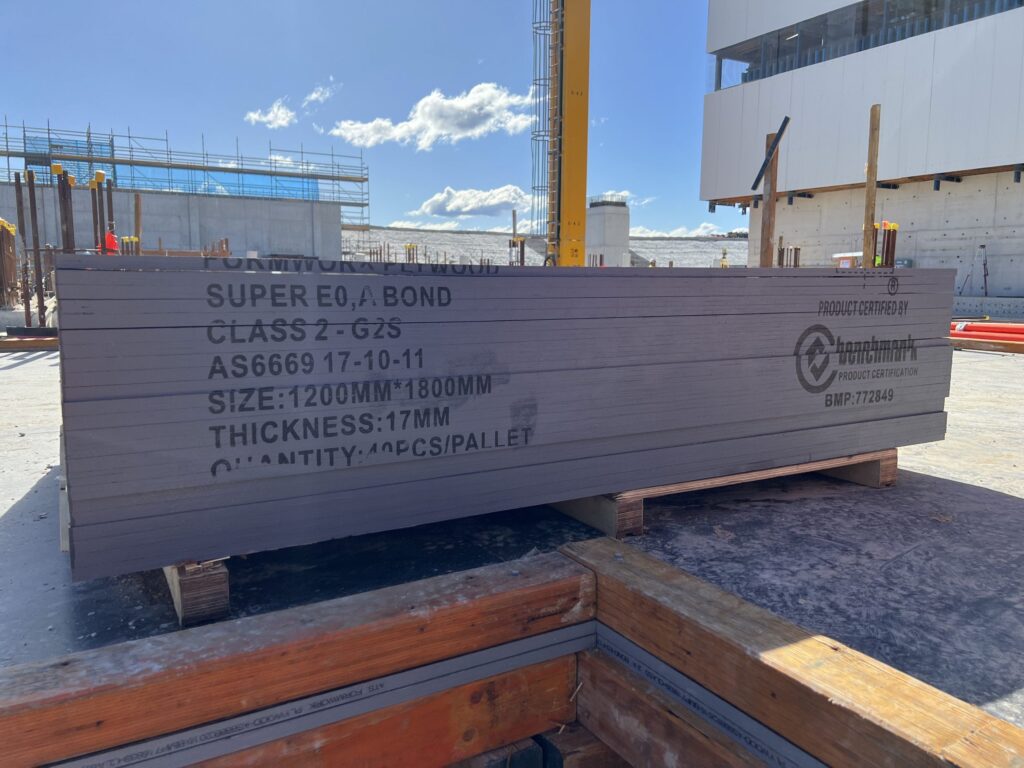
They should treat “film-faced” as a description, not proof of suitability. Genuine formply is normally branded, stamped, or accompanied by documentation stating compliance, thickness, and intended structural use.

They should ask for product data sheets, compliance statements, and traceability details. If the supplier cannot provide clear documentation, it is safer to assume the sheet is not intended for structural formwork, even if it looks similar.

What markings and documentation should builders look for?

They should look for consistent edge stamps or face branding that identifies the manufacturer, sheet type, thickness, and compliance reference. Documentation should match what is printed on the sheet and what was ordered.

At minimum, they should request:

  • A current product data sheet
  • A compliance statement or certificate
  • Handling, sealing, and reuse guidance
  • Any limitations on exposure, recoat, or maximum reuses

If the paperwork is generic and does not identify the exact product, they should push back.

What thickness and tolerance checks should they do before use?

They should measure thickness across a sample of sheets from the pack, not just one corner of one sheet. Small thickness variations can translate into lips at joints, grout loss, and extra grinding after strip.

They should also confirm the nominated thickness matches the formwork design assumptions. If the engineer has designed around a specific sheet capacity, swapping thickness “because it is in stock” can be a real risk.

How should they assess the face film quality for concrete finish?

They should check the film is intact, uniform, and well bonded, with no widespread pinholes, blisters, lifting, or scratches. Those defects often print straight through into the concrete as dull patches, marks, or surface pitting.

They should also check both faces, because some sheets are designed with a “good face” and a “utility face.” If the intended good face is installed against framing by mistake, the visible concrete finish can suffer.

What edge sealing and cut protection should they verify?

They should confirm the factory edge seal is present and continuous. Then they should reseal every cut edge and penetrations as sheets are trimmed and drilled, because water and cement paste entry is one of the fastest ways to destroy a plywood panel.

If they are seeing swollen edges, furry veneers, or darkened end-grain early in the reuse cycle, it usually points to poor edge sealing, poor storage, or both.

What structural performance checks should they align with the formwork design?

They should ensure the sheet selected matches the expected loads, stud spacing, tie spacing, and pour rate. A panel that is “fine on slabs” may not be fine for tall walls, columns, or high pour rates where hydrostatic pressure spikes.

They should also check that framing is straight and adequately supported, because even the best formply will telegraph framing irregularities into the concrete face, and localised overloading can cause bowing or blowouts.

What site storage and handling checks prevent premature failure?

They should store sheets flat, off the ground, and protected from sun and rain. Wet packs left in the weather are a common cause of swelling, film lifting, and mould staining that later shows up in the finish.

They should lift and move sheets in a way that avoids corner damage, because corner bruising often turns into face film delamination after the first strip. If the pack arrives damaged, they should document it immediately and quarantine questionable sheets.

What release agent and cleaning practices should they check?

They should use a compatible release agent and apply it lightly and consistently. Over-application can stain concrete, soften film over time, and attract dust that marks the finish.

After stripping, they should clean while residues are still fresh, avoid aggressive scraping that gouges the film, and repair minor face damage early. A sheet that is “mostly fine” can quickly become unusable if small defects are ignored across multiple pours.

What are common compliance red flags builders should not ignore?

They should be cautious if any of these show up:

  • No clear compliance documentation for the exact product
  • Inconsistent or missing sheet branding and stamps
  • Film peeling at edges straight out of the pack
  • Significant thickness variation within the same bundle
  • Strong warping, twisting, or edge swelling before first use
  • Supplier claims that rely on marketing terms instead of test references

If several red flags appear together, switching product early usually costs less than trying to manage failures mid-program.

formply

What should builders check before signing off a pour using formply?

They should confirm the formwork is built to the drawings, joints are tight, edges are sealed, and the correct face is oriented to the concrete. They should also confirm bracing, tie placement, and pour rate controls are in place.

A quick pre-pour checklist helps: sheet condition, fixings, alignment, cleanliness, release agent, and protection from rain. Those basics do more for the final finish than most “premium” upgrades.

FAQs (Frequently Asked Questions)

What is formply and why are Australian standards important for its use in structural concrete formwork?

Formply is a film-faced plywood specifically made for casting concrete. Australian standards matter because they ensure the concrete finish quality, structural performance, and reusability of the sheets. These standards cover critical properties like bond quality, veneer grade, thickness tolerance, and film durability that are not visible at a glance. Using the wrong product can lead to blowouts, patchy finishes, and early sheet failure.

How can builders verify that a plywood sheet is genuine formply suitable for structural formwork?

Builders should not rely solely on the term “film-faced” as proof of suitability. Genuine formply is typically branded, stamped, or accompanied by documentation indicating compliance with standards, thickness, and intended structural use. Builders should request product data sheets, compliance statements, and traceability details from suppliers. If clear documentation is not provided, it is safer to assume the sheet is not intended for structural formwork.

What markings and documentation should be checked before using formply sheets on site?

Builders should look for consistent edge stamps or face branding that identify the manufacturer, sheet type, thickness, and compliance references. Documentation should include a current product data sheet, a compliance statement or certificate, handling and reuse guidance, and any limitations regarding exposure or maximum reuses. The paperwork must match what is printed on the sheets and what was ordered; generic documents without exact product identification warrant pushing back.

What thickness and tolerance checks are essential before using formply in construction?

Builders should measure thickness across multiple sheets in a pack rather than just one corner of one sheet to detect small variations. Such variations can cause lips at joints, grout loss, and additional grinding after stripping. Additionally, they must confirm the nominated thickness matches the formwork design assumptions since substituting thicknesses based on stock availability can compromise structural integrity.

How should builders assess face film quality to ensure a good concrete finish?

The face film should be intact, uniform, well bonded with no widespread pinholes, blisters, lifting or scratches as these defects imprint directly onto the concrete surface as dull patches or surface pitting. Both faces of the sheet must be checked because some sheets have a designated ‘good face’ for concrete contact; installing the wrong face against framing can degrade the visible finish. Click here to get more about : 7 Things to Know Before Choosing Formply for Concrete Projects.

formply

What site storage and handling practices help prevent premature failure of formply sheets?

Sheets should be stored flat, off the ground and protected from sun and rain to avoid swelling, film lifting or mould staining. Wet packs left exposed are common causes of damage affecting finish quality. Sheets must be lifted carefully to avoid corner damage since bruised corners often lead to delamination after first use. Any damaged packs received should be documented immediately and questionable sheets quarantined.

Subway Tile

Modern Subway Tile Designs for 2025: Patterns, Textures & Fresh Layout Ideas

Subway tiles have remained a timeless favourite for decades, but in 2025, they’re experiencing their biggest design evolution yet. With new shapes, bold grout choices, textured surfaces, and creative subway tile layouts, homeowners and designers are transforming kitchens, bathrooms, and small spaces into modern works of art. If you’re planning a renovation or simply upgrading your walls, today’s subway tile trends will help you design a space that feels fresh, stylish, and uniquely yours.

In this complete guide, we break down the most exciting design trends of 2025, including layout patterns, colour palettes, texture upgrades, grout ideas, and styling advice for both kitchens and bathrooms. Whether you love sleek minimalism, contemporary drama, or a handcrafted artisan look, there’s a subway tile idea here for your design vision.


Why Subway Tiles Still Dominate in 2025

Subway tiles continue to outperform other materials because they’re affordable, versatile, and endlessly customisable. This year, designers are experimenting more than ever, moving beyond traditional white tiles to embrace elongated shapes, earthy tones, matte finishes, layered textures, and unexpected tile patterns.

Key reasons why subway tiles stay relevant:

  • They work with all design styles — modern, classic, industrial, farmhouse, coastal, and minimalist
  • They make small spaces feel brighter and larger
  • They offer countless layout possibilities
  • They pair beautifully with modern colour trends
  • They allow budget-conscious homeowners to achieve high-end results

In 2025, it’s all about reinventing the classic.


Trending Subway Tile Layout Ideas for 2025

Subway tile layouts are the foundation of your design. A simple layout change can dramatically alter the look and feel of any room. These are the most popular patterns dominating design this year.


1. The Modern Horizontal Stack

Clean, sleek, and contemporary, this layout aligns tiles in perfectly straight rows.
It adds instant symmetry and works especially well in minimalist homes.

Best for:

  • Small kitchens
  • Scandinavian bathrooms
  • Modern apartments

Pair with:
Bold grout ideas like charcoal, navy, or mocha for contrast.


2. Vertical Stack Bond — The New Favourite

Vertical stacking continues to rise in popularity because it visually heightens walls and makes ceilings look taller. Perfect for compact rooms, this pattern feels architectural and modern.

Works beautifully with:

  • Tall backsplashes
  • Shower walls
  • Slim, elongated tiles

3. Classic Brick Pattern (Offset)

The original subway tile layout — still timeless.
In 2025, the twist comes from using colour variations, handcrafted finishes, and textured tiles to elevate the traditional brick bond.


4. Herringbone Subway Tile Layouts

Herringbone remains a designer favourite for adding movement and sophistication.
In 2025, homeowners are choosing narrower, elongated tiles for a more dramatic zig-zag effect.

Best applications:

  • Kitchen backsplashes
  • Shower niches
  • Feature walls

5. Double Herringbone for High Impact

This variation uses two tiles at a time, creating a bolder visual rhythm.
It’s an advanced technique but worth the dramatic, upscale result.


6. Diagonal Subway Tile Layouts

Perfect for homes wanting something unique but not too busy.
Diagonal patterns visually widen walls, ideal for kitchens needing more horizontal stretch.


7. Basketweave Patterns

Basketweave blends classic and modern design, offering texture without overwhelming the space.
A top trend for upscale bathrooms in 2025.


8. Step Ladder (Grid) Layouts

This playful layout features horizontal tiles stepping upward, creating a modern, imaginative wall design often used in creative kitchens and studio spaces.


Top Texture Trends for 2025 Subway Tiles

One of the biggest shifts in 2025 is the focus on texture — enhancing surface detail to add dimension, light play, and character.


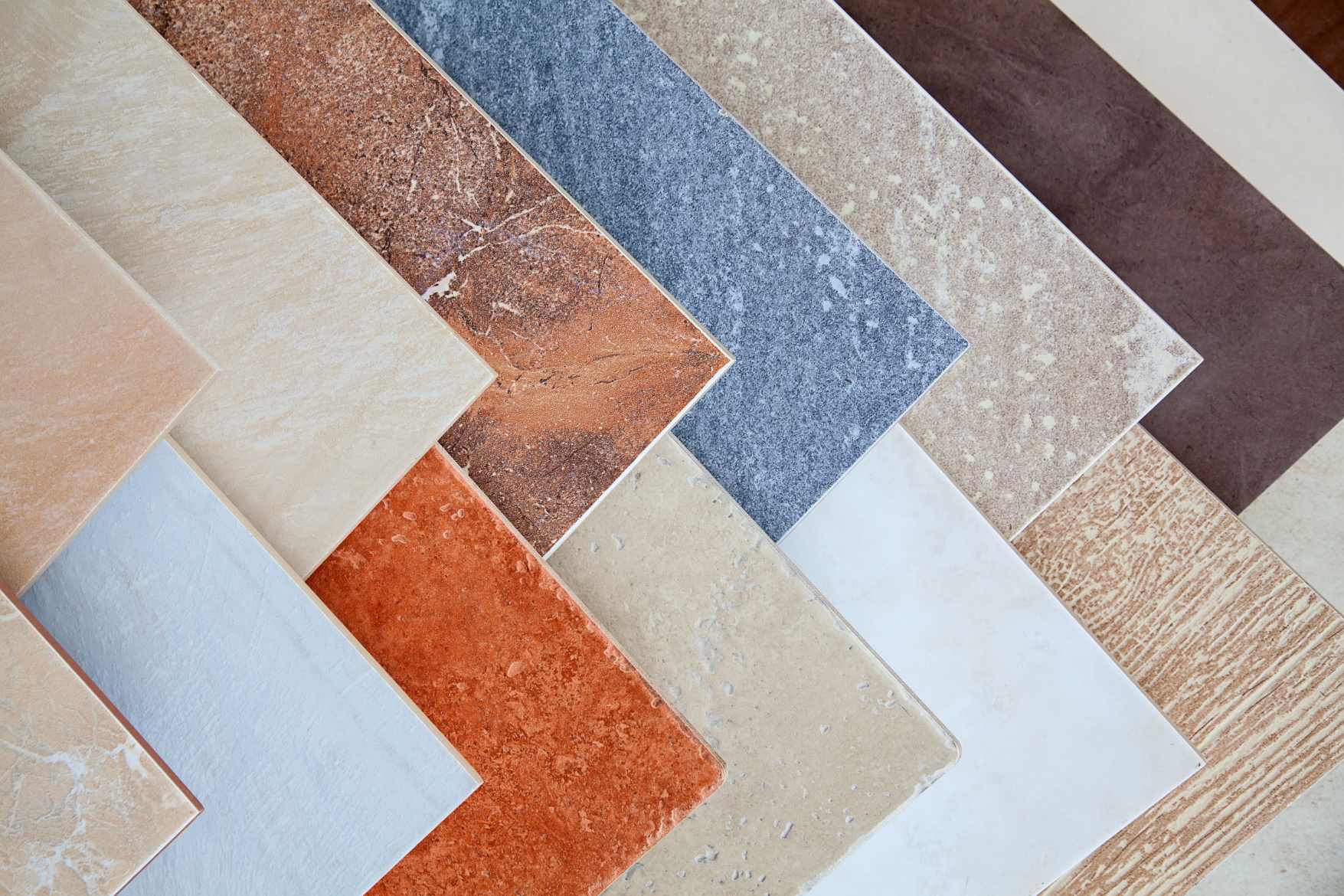
1. Handmade & Zellige-Inspired Subway Tiles

Handmade tiles bring organic edges, subtle glaze variations, and artisanal warmth.
They work beautifully in kitchens aiming for character and charm.


2. Matte-Finished Modern Tiles

Matte finishes are ideal for contemporary designs.
They offer a soft, velvety look that pairs well with minimalist fixtures.


3. Rippled / Wavy Textures

This trending texture reflects light beautifully, especially under LED strip lighting.
It adds movement and softness to both modern and classic spaces.


4. Satin Gloss — the 2025 Middle Ground

Not too matte, not too glossy — satin tiles strike the perfect balance for luxurious kitchens and bathrooms.


2025 Tile Color Trends for Modern Homes

Colour plays a huge role in the impact of subway tile layouts. This year’s palette is bold, earthy, and refreshingly modern.


1. Earthy Neutrals

Think sandstone, camel, olive, and clay.
These colours create warm, calming spaces — especially in bathrooms.


2. Deep Blues & Greens

Midnight blue, pine green, and forest hues continue dominating kitchen tiles in 2025.
They add richness and depth without overpowering the overall design.


3. Soft Pastels

Blush peach, sage, pale blue, and lavender bring serenity and modern charm to small bathrooms or laundry rooms.


4. Charcoal, Black & Graphite

Dark, moody tiles add high-end drama—especially in vertical stacked layouts.
Pair with gold or matte-black fixtures for maximum impact.


Grout Ideas That Elevate Subway Tiles in 2025

Grout is now considered a major design element rather than an afterthought.
Use it strategically to emphasise or soften tile patterns.


1. High-Contrast Grout

White tiles with black grout remain a bold, modern favourite.

Perfect for:

  • Industrial kitchens
  • Contemporary bathrooms
  • Dramatic feature walls

2. Colour-Matched Grout

Creates a seamless, subtle, minimalist look.
Best used with matte or textured tiles.

Subway Tile

3. Warm Grout Tones

Beige, taupe, brown, and warm grey complement today’s earthy tile colour trends.


4. Metallic & Specialty Grouts

Champagne, rose gold, and silver grout is becoming more common in luxury homes.


Subway Tile Styling Tips for Kitchens

Subway tiles are the highlight of many modern kitchens. Here’s how to use them like a pro in 2025.


1. Extend Tiles to the Ceiling

Taking backsplash tiles all the way up creates a seamless, high-end look that elongates the room.


2. Mix Glossy + Matte Tiles

This layered look adds depth and modern appeal without overwhelming the space.


3. Use Large Format Subway Tiles

Elongated tiles (3×12, 2×10, 4×16) create a sleek, modern kitchen atmosphere.


4. Add Under-Cabinet Lighting

Rippled or textured tiles sparkle under LED strip lights, elevating the entire design.


Subway Tile Styling Tips for Bathrooms

Bathrooms benefit greatly from the right tile patterns and textures.


1. Use Vertical Tiles in Small Bathrooms

This instantly makes the room feel taller and more open.


2. Create a Feature Wall Behind the Vanity

Use bold colours, textures, or herringbone layouts for visual impact.


3. Mix Tile Patterns

Example:

  • Vertical stack in the shower
  • Horizontal stack on the vanity wall
  • Herringbone in the niche

This multi-layout approach feels designer-level.


4. Choose Spa-Inspired Colours

Soft blues, greens, and whites create a relaxing atmosphere.


2025 Subway Tile Design Trends to Watch

These trends are dominating design magazines and luxury homes this year.


1. Mixed Tile Sizes in One Space

Combining small and large subway tiles creates a layered, architectural look.

2. Bold Grout as a Design Feature

Warm grout tones and dark contrasts are becoming more mainstream.

3. Handmade & Artisan Looks

Imperfect edges and glaze variations bring character and charm.

4. Eco-Friendly Tiles

Recycled materials and sustainable manufacturing processes are rising in demand.

5. Full-Height Feature Walls

Subway tiles are no longer just for splash zones—they’re used as complete wall finishes.


FAQs

1. What subway tile layout works best in small bathrooms?

Vertical stacked subway tile layouts are the top choice for small bathrooms because they draw the eye upward, making ceilings appear higher. Pair them with soft colour palettes and warm grout ideas to keep the space feeling bright and open. Avoid overly busy tile patterns if the bathroom is extremely compact.


2. Are textured subway tiles good for kitchens?

Yes, textured subway tiles are fantastic for kitchens because they add depth and visual interest, especially under cabinet lighting. Rippled, handmade, or matte textures hide smudges better than glossy finishes. When paired with modern tile patterns like vertical stacking or herringbone, they create a high-end designer look.


3. What grout colour is trending for 2025 subway tiles?

Warm-toned grout is trending in 2025—think taupe, beige, and warm grey. These tones complement earthy tiles and soften high-contrast layouts. However, bold dark grout (charcoal or black) continues to be popular for modern kitchens and industrial spaces. Colour-matched grout remains ideal for minimalist designs.


4. Which subway tile colours are most modern in 2025?

Deep greens, navy blues, charcoal black, earthy neutrals, and soft pastels dominate 2025 tile colour trends. These palettes pair beautifully with both classic and contemporary subway tile layouts. For a timeless yet modern look, choose elongated subway tiles in matte or satin finishes.


5. Are subway tiles still a good option for kitchens in 2025?

Absolutely. Subway tiles remain one of the most versatile and stylish kitchen tiles available. With updated textures, colours, and patterns, they offer more customisation than ever. Whether you prefer minimalist modern or warm organic interiors, subway tile layouts can be adapted to fit any style.


6. How can I make subway tiles look more expensive?

Choose elongated sizes, textured finishes, or artisan-style handmade tiles. Add dramatic grout ideas, high-quality lighting, or a designer layout like herringbone or basketweave. Extending tiles from counter to ceiling instantly elevates the space and creates a high-end architectural look.

buyers agent Sydney

The Role of a Buyer’s Agent in Sydney’s Competitive Property Market

Sydney’s property market is known for being one of the most competitive and dynamic in the world. With a growing population, limited housing supply, and skyrocketing property prices, prospective buyers often find themselves in a constant race to secure the right property at the right price. Whether you’re a first-time homebuyer, an investor, or looking for a new family home, navigating this fast-paced market can be overwhelming. This is where a buyer’s agent can make all the difference.

In this article, we’ll explore the essential role of a buyer’s agent in Sydney’s competitive property market. We’ll break down what they do, how they differ from real estate agents, and how their expertise can help you save time, reduce stress, and secure a better deal in a market that’s unpredictable and full of challenges.

The Competitive and Complex Property Market in Sydney

Sydney’s property market is complex and fast-moving, with prices consistently climbing in desirable areas. For prospective buyers, especially those who are unfamiliar with the local market, finding the right property at a fair price can feel like an impossible task. With bidding wars becoming more common, auctions often leading to emotional and impulsive decisions, and limited stock making it hard to find available properties, buying a home or investment property in Sydney can quickly become an overwhelming process.

The pressure to act quickly and competently in such a competitive environment often leads to costly mistakes, whether it’s overpaying for a property or making a hasty decision without doing proper due diligence. In this unpredictable environment, the expertise of a buyer’s agent can be the key to successfully navigating the property market.

What is a Buyer’s Agent and How Do They Differ from Real Estate Agents?

A buyer’s agent is a licensed property professional who works exclusively for the buyer, helping them find and purchase the right property. Unlike real estate agents, who represent the seller and aim to get the highest price for the property, a buyer’s agent works solely in the buyer’s best interests.

Buyer’s agents are experts in property negotiations, market trends, and the local area. They have a deep understanding of Sydney’s neighborhoods and can provide invaluable insights into areas with the highest potential for growth, as well as those that are becoming more expensive or oversaturated.

See more: Where to Buy Formply and Concrete Form Plywood in Australia

Real estate agents, on the other hand, represent the seller and their primary objective is to secure the highest possible sale price. This is where the distinction between the two becomes clear: a buyer’s agent is solely focused on helping the buyer find the best property, negotiate the best deal, and ultimately make a well-informed purchase.

The Benefits of Working with a Buyer’s Agent

1. Time-Saving Property Search

The property search process in Sydney can be time-consuming and exhausting, especially in a market where properties often sell within days or even hours. Without expert help, you could end up wasting days or even weeks viewing properties that don’t meet your needs or budget.

A buyer’s agent takes the guesswork out of the equation by filtering through listings, attending open homes, and identifying properties that align with your specific criteria. They can present you with only the most relevant options, saving you valuable time. Additionally, buyer’s agents have access to off-market properties, meaning you could potentially secure a property before it’s even listed to the public, giving you an edge over other buyers.

2. Negotiation Expertise

In Sydney’s competitive market, knowing how to negotiate is crucial. Buyer’s agents are skilled negotiators with years of experience in handling property transactions. They can assess the true value of a property and use that information to negotiate a fair price on your behalf, potentially saving you thousands of dollars.

For example, imagine you’ve found a property you like, but it’s listed at a higher price than comparable properties in the area. A buyer’s agent can conduct a detailed market analysis, allowing them to negotiate with the seller’s agent and secure a more reasonable price, or even request additional terms, such as repairs or improvements, to protect your investment.

3. Reducing Stress and Emotional Decision-Making

The property-buying process can be emotional, especially when you find a home you fall in love with. Without guidance, this can lead to impulsive decisions, such as overbidding at an auction or agreeing to unfavorable terms. A buyer’s agent acts as a calm and objective professional, guiding you through the process and ensuring that you make well-considered decisions based on facts rather than emotions.

buyers agent Sydney

When you work with a buyer’s agent, they’ll keep your best interests at heart, helping you avoid the stress and anxiety that often accompanies property purchases. They’ll also ensure that the terms of the contract are clear, and all necessary inspections are carried out, so you don’t overlook any important details.

4. Expertise in Local Market Knowledge

Sydney is a city of diverse neighborhoods, each with its own characteristics, growth potential, and property values. For a buyer unfamiliar with the market, it can be challenging to determine which area offers the best value or aligns with their long-term investment goals.

A buyer’s agent’s local expertise is invaluable in this regard. They know the ins and outs of different suburbs, understand which areas are currently undervalued, and can advise you on the best areas to buy for long-term capital growth. They also have an eye for potential red flags, such as properties located near developments or in flood-prone areas, which could negatively affect the property’s value.

5. Managing Paperwork and Legalities

The paperwork involved in buying a property can be overwhelming, particularly for first-time buyers. From signing contracts to coordinating with solicitors, the process involves a lot of legal and financial paperwork, which can be complicated if you’re not familiar with the process.

A buyer’s agent ensures that all the paperwork is handled correctly, from reviewing the sale contract to liaising with legal and financial professionals. They’ll ensure that everything is in order, helping you avoid costly mistakes and delays, and ensuring the entire process runs smoothly.

Real-Life Example: How a Buyer’s Agent Adds Value

Let’s consider a real-life example. Imagine you’re a first-time homebuyer searching for a property in the inner suburbs of Sydney. You’ve spent weeks attending open homes, but properties are selling fast, and you’re feeling pressured to make quick decisions.

You decide to hire a buyer’s agent, and immediately, they get to work. They shortlist properties based on your preferences and budget, then arrange private inspections for you. After reviewing comparable sales in the area, your buyer’s agent helps you make an offer on a property that’s priced higher than similar properties nearby. Thanks to their negotiation skills, they secure a price reduction, and you end up purchasing the property below the asking price—something you likely wouldn’t have been able to achieve on your own.

Additionally, the buyer’s agent spots an issue with the property’s foundation and suggests requesting a repair before proceeding with the sale. This potentially saves you from dealing with expensive repairs later on. In the end, your buyer’s agent not only helped you secure a great deal but also saved you time, stress, and money.

Conclusion: A Smart Choice for Sydney Buyers

Sydney’s property market is challenging, but with the help of a skilled buyer’s agent, you can navigate it with confidence. Their expertise in local market knowledge, negotiating prices, finding off-market opportunities, and managing paperwork ensures that you make well-informed decisions. Most importantly, a buyer’s agent works solely for you, the buyer, ensuring your interests are always protected.

Whether you’re a first-time homebuyer, a seasoned investor, or looking for your next family home, working with a buyer’s agent in Sydney is a smart and strategic move. They can save you time, reduce stress, and help you secure the best possible deal in a competitive and often unpredictable market. With their support, you can approach the property-buying process with confidence, knowing that you have a professional advocate working for you every step of the way.

Subway tiles

Subway Tiles with a Twist: Colors, Textures, and Patterns to Try

Subway tiles have earned their place as a staple in interior design. From kitchens to bathrooms and beyond, their simple yet elegant aesthetic has made them a favorite among homeowners and designers alike. But while their timeless appeal remains, subway tiles are no longer confined to their classic white form. Today, they’re being reinvented in a variety of colors, textures, and patterns, giving them a modern twist that is both fresh and exciting. Whether you’re renovating your space or simply updating your style, there’s a new way to incorporate subway tiles into your home that goes beyond the traditional. Let’s explore how you can give subway tiles a modern makeover and turn them into a standout feature in any room.

A Brief History of Subway Tiles

The story of subway tiles begins in the early 1900s in New York City. These small, rectangular tiles were originally introduced to decorate the subway stations, chosen for their smooth, glossy finish and easy-to-clean surface. At the time, cleanliness was a major concern in public spaces, and subway tiles were the ideal solution. Their aesthetic was modern, sleek, and practical—perfect for an emerging urban landscape that emphasized functionality and efficiency.

Before long, subway tiles began to appear in residential spaces. Designers and homeowners quickly adopted them for kitchens, bathrooms, and beyond, appreciating their minimalist charm and versatility. Over the decades, their classic white iteration became synonymous with timeless elegance. Today, subway tiles are no longer limited to their original look; they’ve evolved into a canvas for creativity, allowing for a range of reinterpretations that reflect modern trends.

See more: Huntleys Point Flower Delivery: Quick and Reliable Delivery Services

Modern Reinterpretations: Color, Texture, and Finish

Subway tiles have come a long way from their humble beginnings. While white subway tiles still hold their iconic place in design, modern-day versions come in a wide range of colors, textures, and finishes, offering endless possibilities for creative expression. Here’s a look at some of the exciting ways subway tiles have been reinvented:

Bold Colors

While classic white subway tiles will never go out of style, adding a pop of color can completely transform a space. Bold and vibrant colors like deep blues, emerald greens, rich reds, and even soft pastels are all making a splash in design. These colorful tiles can be used to make a statement in high-visibility areas like kitchen backsplashes or bathroom walls. For a striking effect, combine bold colors with contrasting grout for a fresh, modern vibe. Alternatively, soft hues like powder blue or light sage green can evoke a calm, serene atmosphere in a bathroom or kitchen.

Textured Finishes

Texture is another way to add depth and dimension to subway tiles. A smooth, glossy finish was once the hallmark of subway tiles, but today, textured subway tiles are gaining popularity for their unique appeal. Embossed designs, like geometric patterns, ribbed surfaces, or even hand-crafted elements, add a tactile dimension to a space. These textured finishes create a sense of warmth and organic charm, making them perfect for spaces like rustic kitchens or cozy bathrooms. Textured subway tiles are also excellent at reflecting light, creating dynamic, ever-changing visuals depending on the time of day.

Oversized Formats

Traditional subway tiles are typically 3″ x 6″, but larger formats are quickly becoming a trend in modern design. Oversized subway tiles, such as 4″ x 8″ or even larger, create a bolder, more contemporary look. These larger tiles offer fewer grout lines, which leads to a sleeker, more seamless appearance. Larger subway tiles can be used to make a space feel more open and expansive, and they are especially effective in smaller rooms like powder rooms or kitchens where you want to maximize visual space.

Metallic and Matte Finishes

While gloss is still a popular finish, matte and metallic subway tiles are taking design to new heights. Metallic finishes—gold, copper, or silver—bring an added touch of glamour to any space, making them an excellent choice for accent walls, backsplash areas, or even bathroom showers. Matte finishes, on the other hand, offer a more subtle and refined look. Matte subway tiles in shades like charcoal, midnight black, or deep gray are ideal for modern, minimalist interiors. These finishes create a softer, more understated aesthetic while still adding an element of sophistication.

Creative Grout Choices

Grout may seem like a secondary element in subway tile design, but it plays a crucial role in enhancing the overall look of the tiles. Creative grout choices can completely change the vibe of a space. Opt for a bold, contrasting grout color to highlight the tiles’ shape and create a striking visual effect. For instance, dark grout with light-colored tiles creates a clean, defined look, while bright grout (think mustard yellow or coral) against neutral tiles can add a playful and unexpected twist. Alternatively, using grout that matches the color of the tile can create a seamless, nearly invisible joint that emphasizes the tile’s form over the lines between them.

Subway tiles

Subway Tiles in Different Spaces

Subway tiles are incredibly versatile and can be used in various spaces throughout your home. Their ability to adapt to different colors, textures, and patterns makes them suitable for any room, whether you’re aiming for a modern, traditional, or eclectic look.

Kitchens

The kitchen is where subway tiles really shine. Classic subway tiles are often used as backsplashes behind countertops, but with the modern reinterpretations available, you can take this design element to new heights. Colored subway tiles can inject energy into your kitchen, while oversized tiles create a clean, seamless look. Textured subway tiles, like those with a hand-crafted or stone-like finish, can evoke a rustic, farmhouse feel, while metallic subway tiles add a touch of luxury. Whether you prefer the traditional horizontal layout or a more innovative pattern, subway tiles in the kitchen are a versatile and enduring choice.

Bathrooms

Subway tiles have long been a go-to for bathrooms, where their water-resistant properties and clean appearance make them ideal for shower walls, backsplashes, and even flooring. In bathrooms, textured subway tiles can evoke a spa-like feel, while bold-colored tiles can create a vibrant and invigorating atmosphere. Experimenting with grout color is especially impactful in bathroom spaces, where it can define the tile’s lines or create contrast with the tiles themselves. Large-format subway tiles in the shower or on the floor can make the space feel more open and luxurious.

Living Rooms and Other Spaces

Who says subway tiles have to stay confined to kitchens and bathrooms? They can also be used in living rooms, entryways, and even bedrooms. A subway tile accent wall can add character and charm to a living room, and using a unique layout or color can create a focal point in an otherwise neutral space. Textured tiles with warm hues, such as terracotta or earthy greens, are perfect for creating cozy, inviting atmospheres in more informal spaces.

Traditional vs. Innovative Layouts

The layout of subway tiles plays a significant role in their overall aesthetic. While the classic horizontal stacking layout remains a popular choice, there are plenty of creative patterns to try:

  1. Vertical Stacking: Arranging tiles vertically elongates the walls and can make a small room appear taller. This layout is especially effective in bathrooms or narrow spaces.
  2. Chevron and Herringbone: These dynamic, V-shaped patterns are a popular way to add visual interest and movement to subway tiles. They work well as statement walls or accent pieces, particularly in high-traffic areas like kitchens and bathrooms.
  3. Mixed Layouts: Combining horizontal, vertical, and diagonal tiles, or mixing sizes and colors, can create a more eclectic and personalized look. This is a great way to make subway tiles feel fresh and unique, especially in living spaces or feature walls.

Conclusion: Think Beyond the Classic White Subway Tile

Subway tiles may have started as a simple, practical solution for urban spaces, but today, they are a design element that offers endless opportunities for creativity. Whether you opt for bold colors, textured finishes, oversized formats, or innovative layouts, subway tiles can adapt to any interior style, creating a fresh and modern look that still honors their timeless charm.

So, if you’re considering subway tiles for your next home project, don’t be afraid to experiment. Think beyond the classic white tile and explore the world of color, texture, and patterns to make subway tiles truly your own. The possibilities are endless—let your creativity take the lead!

Plywood Curved Concrete Forms

Using Plywood for Curved Concrete Forms: Techniques and Tools

Why Should They Use Plywood for Curved Concrete Forms?

Plywood is the best choice for making curved concrete forms. It is flexible and cost-effective, making it perfect for modern construction. Builders can use plywood to create smooth curves that are essential for great architecture.

Key advantages of plywood in curved concrete construction:

  • Adaptability: Plywood bends naturally to create both gentle and dramatic curves without compromising structural integrity
  • Surface Quality: High-grade plywood delivers smooth concrete finishes, reducing the need for post-pour treatments
  • Cost-Effective: You can reuse quality plywood forms multiple times, maximising your investment
  • Workability: The material’s lightweight nature makes it easy to handle and position on-site
  • Strength: Professional-grade formwork plywood maintains its shape under concrete pressure

The combination of strength and flexibility makes plywood particularly suitable for creating architectural features such as:

Plywood Curved Concrete Forms
  • Curved walls and facades
  • Spiral staircases
  • Round columns
  • Arched doorways
  • Decorative concrete elements

The material’s ability to create precise curves while withstanding the substantial pressure of wet concrete makes it indispensable in modern construction. Professional builders appreciate plywood’s predictable behaviour and reliable performance, ensuring consistent results across various curved concrete applications.

What Are the Different Types of Plywood Suitable for Curved Concrete Forms?

The Australian construction industry relies on specific plywood curved concrete formwork. Here’s what you need to know about each type:

F14 vs F17 Plywood

  • F14 plywood offers standard strength suitable for basic curved forms
  • F17 delivers higher structural capacity, ideal for complex curves
  • F17’s enhanced density creates smoother concrete finishes
  • F14 proves cost-effective for simpler projects with gentle curves

High-Density Overlay (HDO) Plywood

  • Features a resin-impregnated overlay for superior concrete finish
  • Resists moisture penetration, extending form lifespan
  • Creates ultra-smooth concrete surfaces
  • Allows multiple reuses, reducing material costs

Laminated Veneer Lumber (LVL) Formwork

  • Engineered for maximum strength in curved applications
  • Maintains dimensional stability under pressure
  • Achieves tighter radius curves than standard plywood
  • Reduces the need for additional support structures

Each plywood type serves specific curved formwork needs. HDO plywood suits architectural concrete where surface finish is crucial. LVL formwork excels in projects requiring precise curves and high structural integrity. Your choice depends on project requirements, curve complexity, and desired concrete finish quality.

Learn more on: Where to Buy Formply and Concrete Form Plywood in Australia

How Can They Shape Plywood Effectively for Curved Concrete Forms?

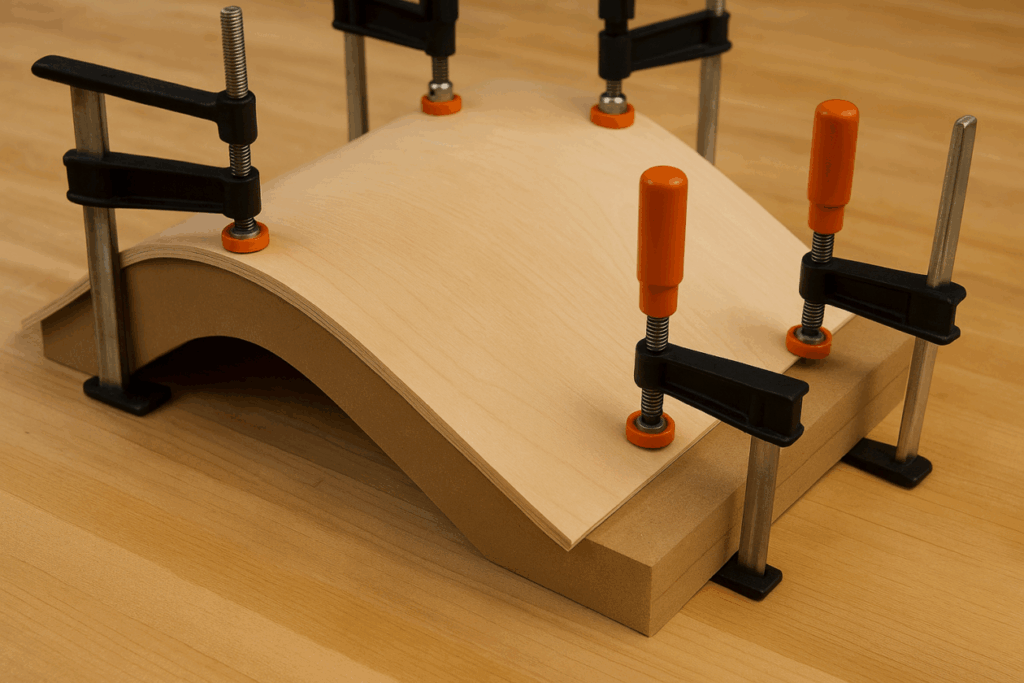
Shaping plywood for curved concrete forms requires specific techniques to achieve precise, smooth curves without compromising structural integrity. You’ll find two primary methods dominate the industry: steam bending and CNC cutting.

Steam Bending Technique

  • Heat plywood to 82°C (180°F) for optimal flexibility
  • Apply steam treatment for 1 hour per 25mm thickness
  • Use gradual pressure to create natural bends
  • Secure bent plywood with clamps during cooling
  • Allow 24-hour setting time for permanent shape retention
Plywood Curved Concrete Forms

CNC Cutting Method

  • Creates precise, repeatable curves through digital design
  • Reduces material waste through optimised cutting patterns
  • Achieves complex shapes impossible with traditional bending
  • Maintains consistent structural integrity across curves
  • Enables quick production of multiple identical forms

Key Considerations for Both Methods

The grain direction plays a crucial role in successful plywood shaping:

  • Bend perpendicular to grain for maximum flexibility
  • Use thinner plywood sheets (12-15mm) for tighter curves
  • Apply release agents before concrete pouring
  • Check moisture content stays below 19% during shaping
  • Reinforce curved sections with additional support brackets

For radii tighter than 600mm, you’ll need to layer multiple thin sheets rather than attempting to bend a single thick piece. This lamination technique creates stronger forms capable of withstanding concrete pressure while maintaining smooth curves. Find more about lamination on https://www.hchlabelroll.com/info/what-is-the-medical-term-lamination–90197480.html

What Preparation Steps Do They Need to Follow Before Using Plywood Forms?

Proper preparation of plywood forms creates the foundation for successful curved concrete structures. The selection of appropriate thickness and edge treatment determines the quality of your final concrete surface.

Selecting the Right Thickness

The thickness of your plywood directly impacts its ability to hold curved shapes:

  • 12mm – Suitable for gentle curves with radii greater than 2.5m
  • 18mm – Ideal for standard architectural curves
  • 25mm – Required for structural elements bearing significant concrete loads

Edge Treatment Techniques

Raw plywood edges can compromise your concrete finish. Essential edge preparation includes:

  • Sanding all edges with 120-grit sandpaper
  • Applying edge sealer to prevent moisture absorption
  • Installing rubber gaskets at joints to prevent concrete seepage

Surface Preparation Requirements

Your plywood surface needs specific treatment before concrete pouring:

  • Clean the surface thoroughly to remove dust and debris
  • Apply release agent evenly across the entire surface
  • Check for protruding nails or screws
  • Seal all joints with appropriate tape or sealant

The quality of your edge treatment directly affects concrete finish quality. Rough or poorly sealed edges lead to:

  • Concrete bleeding
  • Surface imperfections
  • Reduced form lifespan
  • Increased maintenance costs

Professional-grade edge sealers provide optimal protection against moisture penetration and extend your form’s usable life. Apply two coats of sealer, allowing proper drying time between applications.

Which Concrete Pouring Techniques Work Best with Plywood Forms?

Successful concrete pouring with plywood forms requires precise techniques to achieve optimal results. Here’s a detailed breakdown of effective pouring methods:

1. Incremental Placement

  • Pour concrete in layers of 300-450mm
  • Allow each layer to settle before adding the next
  • Maintain consistent pouring speed to prevent form displacement
  • Start from the corners, working towards the centre

2. Strategic Vibration

  • Use internal vibrators at 300-600mm intervals
  • Keep vibrator vertical during operation
  • Insert vibrator quickly, withdraw slowly
  • Avoid touching reinforcement or formwork with vibrator

3. Pour Rate Control

  • Match pour rate to form strength
  • Limit pressure on forms to prevent bulging
  • Monitor temperature during pour
  • Adjust speed based on concrete consistency

4. Form Protection

  • Apply release agent evenly before pouring
  • Check form stability during pour
  • Monitor joints for potential leakage
  • Keep forms damp in hot weather

5. Equipment Requirements

  • Internal vibrators (25-75mm diameter)
  • Concrete pump or crane bucket
  • Pour tubes for deep sections
  • Backup vibrators on standby

Proper concrete placement techniques with plywood forms create strong, aesthetically pleasing curved surfaces. The combination of controlled pouring rates, strategic vibration, and careful monitoring ensures optimal results. To read more about vibration click here.

What Environmental Considerations Should They Keep in Mind When Using Plywood for Curved Concrete Forms?

Environmental factors play a crucial role in the success of concrete curing when using plywood forms. Temperature, humidity, and weather conditions directly impact the final strength and appearance of curved concrete structures.

Temperature Control

  • Maintain concrete temperature between 10°C and 32°C during curing
  • Use insulated blankets in cold weather to prevent freezing
  • Apply water cooling techniques in hot conditions
  • Monitor temperature differences between concrete surface and core

Moisture Management

  • Keep plywood forms damp during the first 7 days of curing
  • Apply curing compounds to prevent rapid moisture loss
  • Install protective covers during rain to prevent water damage
  • Check moisture content regularly with specialised meters

Wind Protection

  • Set up wind barriers to prevent rapid surface drying
  • Use shade mesh to reduce direct sun exposure
  • Position curved forms away from strong air currents
  • Monitor evaporation rates in windy conditions

Seasonal Adjustments

  • Adjust concrete mix designs based on seasonal temperatures
  • Schedule pours during optimal weather conditions
  • Modify curing times according to ambient temperature
  • Plan for longer curing periods during winter months

Site-Specific Considerations

  • Account for local climate patterns
  • Consider the orientation of curved forms relative to sun exposure
  • Monitor ground conditions and drainage
  • Implement appropriate ventilation in enclosed spaces

Are There Any Advanced Tools or Innovations That Can Enhance Their Work with Curved Formwork?

Modern construction technology brings innovative solutions to curved formwork challenges. These advanced tools streamline the process while improving precision and efficiency.

1. Adjustable Formwork Systems

  • Telescopic support beams with variable radius settings
  • Hydraulic adjustment mechanisms for real-time curve modifications
  • Digital measurement systems for exact curvature control

2. Smart Formwork Technology

  • Integrated sensors monitoring concrete pressure
  • Real-time data collection for optimal curing conditions
  • Automated release systems for precise timing

3. Specialised Equipment

  • CNC-guided cutting machines for precise plywood shaping
  • Laser-guided alignment tools
  • Digital templates for complex curved designs

4. Advanced Formwork Accessories

  • Quick-release clamps designed for curved surfaces
  • Flexible edge protectors
  • Custom-designed corner pieces for smooth transitions

5. Digital Planning Tools

  • 3D modelling software for formwork design
  • Building Information Modelling (BIM) integration
  • Virtual reality visualisation for complex curves

These innovations reduce labour costs and minimise material waste while achieving higher quality results. Construction teams using these advanced tools report up to 40% faster assembly times and significantly improved accuracy in curved concrete structures.

The combination of traditional plywood forms with these modern tools creates a robust system for curved concrete construction. Each technological advancement builds upon proven formwork techniques, enhancing rather than replacing established methods.

How Can Combining Traditional Skills and Modern Tools Lead to Efficient Construction of Aesthetically Pleasing Structures?

The combination of traditional craftsmanship with modern technology creates remarkable curved concrete structures. Master builders’ expertise in plywood manipulation, combined with digital design tools, produces precise and beautiful forms.

Key Integration Points:

  • Hand-selected plywood grades matched with computer-modelled stress calculations
  • Traditional steam bending techniques enhanced by automated moisture control systems
  • Skilled manual finishing complemented by CNC-cut components
  • Time-tested formwork assembly methods supported by 3D-printed connection points

This balanced approach delivers:

  • Reduced material waste
  • Faster construction timelines
  • Higher quality finished surfaces
  • Improved structural integrity

The combination of old-world knowledge and cutting-edge tools empowers builders to push the boundaries of curved concrete design while maintaining practical buildability and cost-effectiveness.

Buy Formply

Where to Buy Formply and Concrete Form Plywood in Australia

What are Formply and Concrete Form Plywood and Why are They Important in Construction Projects?

Formply and concrete form plywood are essential materials in Australian construction, playing a crucial role in creating precise concrete structures. These engineered wood products are specifically designed to withstand the intense pressures of concrete pouring while maintaining their structural integrity.

Key characteristics of Formply:

  • High-density overlay coating for smooth concrete finish
  • Moisture-resistant properties
  • Reusable for multiple concrete pours
  • Available in various thicknesses (17mm-25mm)

Concrete form plywood features:

  • Specially treated surface for easy concrete release
  • Enhanced durability against water damage
  • Reinforced edges to prevent splitting
  • Uniform panel thickness for consistent results
Buy Formply

The quality of your formwork directly impacts the final appearance and structural integrity of concrete elements. High-grade materials ensure:

  • Precise dimensional accuracy
  • Clean, smooth concrete surfaces
  • Reduced need for post-pour finishing
  • Lower risk of concrete defects

You’ll find these materials readily available across Australia through specialised suppliers, hardware stores, and construction material outlets. Leading manufacturers maintain strict quality control standards to meet Australian building codes and regulations.

For professional builders and DIY enthusiasts alike, investing in premium buy Formply and concrete form plywood proves cost-effective by delivering superior results and extended product lifespan.

How Do Reo Bars, Chain & Shade Mesh, and F14/F17 Formwork Plywood Contribute to Quality Construction?

Reo bars serve as the backbone of concrete structures, creating a robust internal framework that prevents cracking and enhances structural integrity. These steel reinforcement bars distribute loads evenly throughout the concrete, increasing tensile strength and durability. You’ll find reo bars particularly crucial in:

Read more at: Using Plywood for Curved Concrete Forms: Techniques and Tools

  • Foundation slabs
  • Load-bearing walls
  • Suspended concrete floors
  • Bridge construction

Chain and shade mesh add essential protection to construction sites. The 50% and 90% coverage options offer:

  • UV protection for workers and materials
  • Dust control in urban construction zones
  • Noise reduction for neighbouring properties
  • Enhanced site security

F14 and F17 formwork plywood grades present distinct characteristics for different construction needs:

F14 Formwork Plywood

  • Standard-grade structural performance
  • Suitable for residential projects
  • Cost-effective solution
  • 3-4 concrete pours before replacement

F17 Formwork Plywood

  • Higher strength rating
  • Ideal for commercial construction
  • Enhanced moisture resistance
  • 5-6 concrete pours before replacement

The combination of these materials creates a comprehensive system that ensures structural integrity, site safety, and optimal concrete finishing results. Your choice between F14 and F17 plywood depends on project requirements, budget constraints, and intended reuse frequency. Read more about frequency on https://onlinelibrary.wiley.com/doi/abs/10.1002/jdd.12859

Buy Formply

What Other Materials Should You Consider for Optimal Results in Concrete Formwork?

LVL (Laminated Veneer Lumber) Formwork delivers exceptional strength and stability in concrete construction projects. This engineered wood product features multiple layers of thin wood veneers bonded together, creating a material that resists warping and maintains dimensional accuracy. You’ll find LVL particularly effective in:

  • Vertical applications for wall formwork
  • Horizontal uses in floor and ceiling construction
  • Large-scale commercial projects requiring precise concrete placement

HDO (High-Density Overlay) Plywood stands out for its superior concrete finish quality. The resin-impregnated overlay creates a smooth, non-absorbent surface that:

  • Produces glass-like concrete finishes
  • Allows multiple reuses – up to 15-20 pours
  • Reduces concrete buildup and cleaning time
  • Minimises form release agent requirements

Rust-Resistant Reo Bars play a crucial role in coastal construction projects. These specialised reinforcement bars feature protective coatings or materials that:

  • Prevent corrosion in salt-rich environments
  • Extend the lifespan of concrete structures
  • Reduce maintenance costs
  • Meet Australian construction standards for marine applications

The combination of these materials creates a robust formwork system that ensures structural integrity and aesthetic excellence in your concrete projects. Each component serves a specific purpose, from the precise shaping capabilities of LVL to the smooth finish of HDO plywood and the lasting strength of rust-resistant reo bars.

Where Can You Find Reliable Suppliers of Formply and Concrete Form Plywood in Australia?

Australia’s construction industry relies on trusted suppliers who deliver high-quality formply and concrete form plywood. Several established suppliers across the country offer these essential materials, each bringing unique advantages to builders and contractors.

The Bunker: Your Trusted Source for Quality Formply Products

The Bunker stands out as a specialist supplier of construction materials, with a dedicated focus on formply and concrete form solutions. Their extensive product range includes:

  • F17 Structural Formply – Premium-grade sheets for heavy-duty applications
  • F14 Standard Formply – Cost-effective options for general construction
  • Film-Faced Plywood – Specialised sheets for superior concrete finish

The company’s commitment to quality extends beyond product offerings. Their value-added services include:

  • Next-day delivery options for metro areas
  • Technical support from experienced staff
  • Bulk order discounts
  • Custom cutting services
  • Product compatibility advice

The Bunker’s warehouses in major Australian cities ensure quick access to materials when needed. Their stock management system maintains consistent availability of popular formply sizes: Click here to find more about management.

  • 1200 x 2400mm
  • 1200 x 1800mm
  • 900 x 1800mm
  • Custom dimensions upon request

Their expert team provides guidance on:

  • Sheet thickness selection
  • Surface treatment options
  • Installation techniques
  • Maintenance requirements
  • Reusability factors

The Bunker’s direct relationships with manufacturers enable competitive pricing without compromising on quality. Their quality assurance process includes rigorous testing of incoming stock and careful storage practices to maintain product integrity.

Their online ordering system simplifies the procurement process, allowing builders to:

  1. Check real-time stock levels
  2. Access technical specifications
  3. Download compliance certificates
  4. Schedule deliveries
  5. Track orders

2. Plyco: Your Go-To Source for All Things Plywood, Including Concrete Form Plywood!

Plyco is Australia’s leading plywood supplier with 75 years of industry experience. They are known for providing top-quality construction materials and ensuring strict quality control across their entire product range.

Extensive Range of Concrete Form Plywood

Plyco offers a wide selection of concrete form plywood products, including:

  • F17 structural plywood sheets in various thicknesses
  • Film-faced formwork panels with phenolic coating
  • Custom-cut sizes to meet specific project needs
  • Water-resistant options for long-lasting durability

Comprehensive Support Through Digital Resources

Plyco provides extensive assistance through their online resources:

  • Technical Documentation: Detailed specifications for each product type
  • Installation Guides: Step-by-step instructions with visual aids
  • Product Selection Tool: Help you choose the right formwork for your project
  • Expert Support: Direct access to technical specialists

Convenient Warehousing and Delivery Across Australia

With dedicated warehouses in major Australian cities, Plyco ensures fast dispatch and reliable delivery schedules. Their trade accounts offer competitive pricing structures and bulk order discounts specifically designed for construction companies and contractors.

3. Bunnings Australia: Convenient Access to Affordable Construction Materials!

Bunnings is Australia’s largest hardware retailer, with over 300 stores across the country making it easy to get construction materials. Their wide network makes them a practical choice for builders needing quick access to formply and concrete form plywood.

Standard Formply Sheets Available at Bunnings

At Bunnings, you can find a variety of standard formply sheets in common sizes:

  • 17mm F17 structural formply
  • 12mm F14 general-purpose formply
  • Film-faced plywood options

Competitive Pricing and Bulk Purchase Options

Bunnings offers competitive pricing, especially for basic formply needs. Their trade desk provides bulk purchase options with potential discounts for larger orders.

Dedicated Timber Yard and Click-and-Collect Service

Each Bunnings store has its own dedicated timber yard with knowledgeable staff who can help you choose the right formply materials. They also offer a click-and-collect service where you can reserve your materials online for same-day pickup, minimizing project delays.

Essential Formwork Accessories and Trade Benefits

In addition to formply, Bunnings stocks essential formwork accessories such as:

  • Form oil and release agents
  • Concrete screws and fixings
  • Basic formwork hardware

For regular builders, their trade PowerPass program offers additional benefits like priority service and extended trading hours access.

4. Allcon Group: Specialist Supplier Catering to the Needs Of Professional Builders!

Allcon Group stands out as a leading supplier of specialised construction materials across Australia. Their dedicated team brings 25+ years of industry expertise to support professional builders with high-quality formwork solutions.

The company’s product range includes:

  • Premium-grade concrete formwork systems
  • HDO film-faced panels for superior finish
  • Custom-cut Formply sheets to exact specifications
  • Specialised accessories for complex architectural designs

Allcon Group’s technical specialists work directly with builders to recommend the right formwork solutions based on project requirements. Their HDO film-faced panels deliver exceptional concrete surface finishes, making them ideal for exposed concrete applications.

The company has strategically located warehouses in major Australian cities, offering:

  • Next-day delivery for stock items
  • Technical support during installation
  • Bulk order discounts
  • On-site consultations

Their commitment to quality control ensures each Formply sheet meets Australian Standards AS 6669 and AS/NZS 2269, backed by comprehensive material certifications and testing documentation.

What Factors Should You Keep In Mind When Purchasing These Products?

Selecting the right formply and concrete form plywood requires careful consideration of several critical factors to ensure successful project outcomes.

Quality Verification

  • Check manufacturer certifications and compliance with Australian standards
  • Inspect surface quality and core composition before purchase
  • Verify moisture content levels are within acceptable ranges
  • Request sample pieces for testing when buying in bulk

Installation Requirements

  • Follow specific spacing guidelines for supports and bracing
  • Use appropriate release agents to prevent concrete adhesion
  • Install proper water stops and sealing compounds
  • Maintain consistent concrete pour rates

Common Issues and Solutions

Pour-Related Challenges:

  • Concrete bleeding – Use appropriate vibration techniques
  • Form bulging – Install additional bracing at recommended intervals
  • Surface voids – Apply suitable release agents evenly
  • Panel separation – Ensure proper joint sealing

Maintenance Considerations:

  • Clean panels immediately after each use
  • Store in dry, covered areas away from direct sunlight
  • Repair minor damage promptly to extend service life
  • Regular inspection for delamination or core separation

Cost-Effective Purchasing

  • Buy in bulk for significant projects to secure better pricing
  • Consider lead times when planning purchases
  • Factor in delivery costs and storage requirements
  • Evaluate potential for material reuse across multiple pours

Safety Compliance

  • Ensure materials meet workplace safety requirements
  • Check load-bearing capacities match project specifications
  • Verify fire-rating compliance where applicable
  • Document material safety data sheets

Proper material selection and handling directly impact project success. Working with reputable suppliers who offer technical support and maintain consistent stock levels helps ensure smooth project execution and optimal results in concrete formwork applications.

boundary identification survey

Why a Boundary Identification Survey Protects Your Investment

In the realm of property ownership, understanding the precise boundaries of your land is paramount. A boundary identification survey serves as a crucial tool that not only delineates property lines but also safeguards your investment. This article delves into the significance of such surveys, exploring how they can protect property owners from potential disputes and enhance the value of their investments.

Understanding Boundary Identification Surveys

A boundary identification survey is a detailed examination of a property’s boundaries, conducted by licensed surveyors. This survey involves measuring and marking the precise limits of a parcel of land, ensuring that property owners are fully aware of their legal boundaries. The survey typically results in a comprehensive report, including maps and diagrams that illustrate the defined boundaries.

The Process of Conducting a Survey

The process begins with the surveyor gathering historical data, including previous surveys, title deeds, and local council records. Using advanced technology such as GPS and total stations, the surveyor then measures the land accurately. This meticulous approach ensures that all physical features, such as fences, trees, and buildings, are taken into account. The surveyor may also conduct interviews with previous owners or neighbours to gather anecdotal evidence regarding the property’s history, which can provide additional context that may not be documented in official records.

After the measurements are completed, the surveyor prepares a detailed report that outlines the findings. This report can be invaluable for property owners, providing a clear understanding of their land’s dimensions and any encroachments that may exist. Furthermore, the report often includes recommendations for resolving any discrepancies, which can help property owners make informed decisions about potential legal actions or negotiations with neighbouring landowners.

Legal Implications

In many cases, property disputes arise from misunderstandings regarding boundary lines. A boundary identification survey can provide legal clarity, serving as a definitive record of property boundaries. This documentation can be crucial in resolving disputes with neighbours or in legal proceedings, as it offers an authoritative perspective on the property’s limits. Moreover, having a boundary identification survey can enhance a property’s marketability; potential buyers are often more inclined to purchase a property with clearly defined boundaries, as it reduces the risk of future disputes.

Additionally, understanding the legal implications of boundary surveys can empower property owners to take proactive measures in safeguarding their interests. For instance, if a survey reveals encroachments, the owner may choose to negotiate with the encroaching party or seek a legal remedy to rectify the situation. This proactive approach not only protects the owner’s investment but also fosters better relationships with neighbours, as clear communication about boundaries can prevent misunderstandings and foster a sense of community.

Protecting Your Investment

Investing in real estate is a significant financial commitment, and ensuring that this investment is protected is essential. A boundary identification survey plays a pivotal role in safeguarding your property rights and enhancing the overall value of your investment.

Avoiding Disputes

One of the primary benefits of a boundary identification survey is its ability to prevent disputes. By clearly defining property lines, homeowners can avoid conflicts with neighbours over land use, fencing, or encroachments. This proactive approach can save property owners considerable time, money, and stress in the long run.

In the event that a dispute does arise, having a boundary identification survey on hand can serve as a powerful tool in negotiations. It provides concrete evidence that can support your claims, making it easier to reach an amicable resolution. Furthermore, the peace of mind that comes from knowing your property boundaries are legally recognised can lead to a more harmonious living environment, allowing you to enjoy your home without the looming worry of potential conflicts.

boundary identification survey

Enhancing Property Value

Properties that have undergone a boundary identification survey often see an increase in value. Potential buyers are more likely to invest in a property with clearly defined boundaries, as it reduces the risk of future disputes and uncertainties. Additionally, having a survey can expedite the selling process, as it provides potential buyers with the assurance that the property’s boundaries are well established.

Moreover, a boundary identification survey can also uncover any discrepancies in property descriptions, which may not have been evident at first glance. This can be particularly beneficial for older properties where boundary lines may have shifted over time due to natural changes or human intervention. By addressing these issues proactively, homeowners can not only protect their investment but also enhance the overall appeal of their property, making it more attractive to prospective buyers who appreciate transparency and clarity in property dealings. You may like to visit https://goatdairyessay.com/understanding-an-identification-survey-for-property-transactions/ to understand an Identification Survey for property transactions.

Additional Benefits of Boundary Identification Surveys

Beyond protecting investments and avoiding disputes, boundary identification surveys offer several other advantages that can enhance the property ownership experience.

Compliance with Local Regulations

Many local councils have specific regulations regarding property boundaries, particularly when it comes to building and development. A boundary identification survey ensures compliance with these regulations, helping property owners avoid costly fines and legal issues. By understanding the exact boundaries, property owners can make informed decisions about any renovations or extensions they may wish to undertake. This knowledge not only aids in planning but also fosters a positive relationship with local authorities, as it demonstrates a commitment to adhering to community standards and regulations.

Insurance Considerations

Insurance companies often require proof of property boundaries before issuing policies. A boundary identification survey provides this necessary documentation, ensuring that property owners are adequately covered. In the unfortunate event of a claim, having a clear understanding of property boundaries can facilitate the claims process and provide peace of mind. Furthermore, this clarity can also influence the type of coverage available, as insurers may offer more favourable terms to those who can present verified boundary information, ultimately leading to better financial protection for homeowners.

Enhanced Property Value

Investing in a boundary identification survey can significantly enhance the value of a property. By clearly defining the limits of ownership, potential buyers can feel more secure in their investment, knowing that there are no hidden disputes or ambiguities regarding the land. This clarity can make a property more attractive in the competitive real estate market, as buyers are often willing to pay a premium for properties with well-documented boundaries. Additionally, having a survey on hand can expedite the selling process, as it provides essential information that can reassure prospective buyers and streamline negotiations.

Improved Neighbourly Relations

Boundary identification surveys can also play a crucial role in maintaining good relations with neighbours. By clearly establishing where one property ends and another begins, these surveys can help prevent misunderstandings and disputes over land use. This is particularly important in densely populated areas where properties are in close proximity to one another. Open communication, backed by the factual data provided by a boundary survey, can foster a spirit of cooperation and mutual respect, making it easier for neighbours to collaborate on shared concerns such as fencing, landscaping, or property maintenance.

Choosing the Right Surveyor

Qualifications and Experience

It is essential to verify that the surveyor is licensed and has the necessary qualifications to conduct boundary surveys. Additionally, experience in the local area can be beneficial, as the surveyor will be familiar with local regulations and common boundary issues that may arise.

Reputation and References

Researching a surveyor’s reputation can provide insight into the quality of their work. Reading reviews and asking for references from previous clients can help property owners make an informed decision. A reputable surveyor will be transparent about their process and willing to answer any questions that may arise.

boundary identification survey

Cost Considerations

The cost of a boundary identification survey can vary based on several factors, including the size and complexity of the property. While it may seem like an additional expense, the long-term benefits of having a survey far outweigh the initial costs.

Investing in Peace of Mind

When considering the potential costs associated with property disputes, legal fees, and lost value due to unclear boundaries, investing in a boundary identification survey is a prudent decision. It provides peace of mind, knowing that your investment is protected and that you have a clear understanding of your property’s limits.

Budgeting for a Survey

Property owners should budget for a boundary identification survey as part of their overall property expenses. It is advisable to obtain quotes from multiple surveyors to ensure a fair price. Remember, the cost of a survey is a small price to pay for the protection and clarity it provides.

Conclusion

In conclusion, a boundary identification survey is an essential investment for any property owner. It not only defines property lines but also protects against disputes, enhances property value, and ensures compliance with local regulations. By choosing a qualified surveyor and understanding the costs involved, property owners can safeguard their investments and enjoy the many benefits that come with clear boundary identification.

In an ever-evolving property market, taking proactive steps to protect one’s investment is vital. A boundary identification survey is a straightforward and effective way to achieve this, providing peace of mind and clarity in property ownership.

identification survey

Understanding an Identification Survey for Property Transactions

In the realm of property transactions, the importance of accurate and comprehensive information cannot be overstated. An identification survey plays a crucial role in ensuring that all parties involved have a clear understanding of the property in question. This article delves into what an identification survey entails, its significance, and how it impacts property transactions in Australia.

What is an Identification Survey?

An identification survey is a detailed assessment of a property that outlines its boundaries, dimensions, and any existing structures. This type of survey is typically conducted by a licensed surveyor and serves as a vital tool for both buyers and sellers during property transactions. The survey provides an accurate representation of the property, helping to prevent disputes and misunderstandings. By employing precise measurements and advanced technology, surveyors can deliver a comprehensive overview that is indispensable for anyone involved in real estate dealings.

In addition to its role in property transactions, an identification survey can also be beneficial for homeowners looking to make improvements or alterations to their property. Knowing the exact boundaries and the location of existing structures can assist in planning extensions, landscaping, or even the installation of fences. This knowledge not only helps in adhering to local regulations but also ensures that any enhancements made do not inadvertently infringe upon neighbouring properties, thereby fostering good relationships with adjacent landowners.

Key Components of an Identification Survey

Identification surveys encompass several essential components that contribute to a comprehensive understanding of the property. These components include:

  • Boundary Identification: This involves marking the exact boundaries of the property, which is crucial for determining ownership and preventing encroachments.
  • Existing Structures: The survey will detail any buildings, fences, or other structures on the property, including their dimensions and proximity to the boundaries.
  • Topographical Features: Natural features such as trees, slopes, and water bodies may also be included, providing a complete picture of the land.

By encompassing these elements, an identification survey ensures that all relevant information is available to stakeholders, reducing the risk of future disputes. Moreover, the inclusion of topographical features can be particularly advantageous for potential buyers who are interested in the land’s usability and aesthetic appeal. For instance, a property with a natural slope may offer opportunities for unique landscaping designs or outdoor recreational areas, while also presenting challenges that need to be addressed during development.

Types of Identification Surveys

There are various types of identification surveys, each serving different purposes. The most common types include:

  • Land Title Surveys: These surveys are conducted to establish the legal boundaries of a property as per the land title records.
  • Building Location Surveys: These focus on the positioning of structures on the land, ensuring compliance with local regulations.
  • Subdivision Surveys: Used when a property is divided into smaller lots, these surveys help define the new boundaries.

Understanding the type of identification survey required is essential for ensuring that the property transaction proceeds smoothly. Each type of survey has its own specific requirements and methodologies, which can vary based on local laws and regulations. For instance, a land title survey may necessitate a thorough examination of historical records and previous surveys, while a building location survey might require an assessment of zoning laws and building codes. Engaging a qualified surveyor who is familiar with local practices is crucial in navigating these complexities and ensuring that the survey meets all necessary legal standards.

The Importance of an Identification Survey

Identification surveys are not merely a formality; they are a fundamental aspect of property transactions that can have significant implications. Their importance can be highlighted through various factors:

Preventing Disputes

One of the primary benefits of an identification survey is its role in preventing disputes between neighbours. By clearly defining property boundaries, the survey helps to avoid misunderstandings regarding ownership and land use. This clarity is particularly vital in densely populated areas where properties may be in close proximity to one another.

Facilitating Property Transactions

For buyers, having an identification survey can provide peace of mind. It ensures that they are fully aware of what they are purchasing, including any potential issues that may arise from boundary disputes or encroachments. Sellers, on the other hand, can use the survey to demonstrate the legitimacy of their property boundaries, making it more attractive to potential buyers.

Compliance with Local Regulations

Many local councils and authorities require identification surveys as part of the property transaction process. These surveys ensure that the property complies with zoning laws and building regulations. Failure to provide an identification survey can lead to delays in the transaction or even legal complications.

identification survey

How to Obtain an Identification Survey

Obtaining an identification survey involves several steps, and understanding this process can help streamline property transactions.

Choosing a Qualified Surveyor

The first step in obtaining an identification survey is selecting a qualified and licensed surveyor. It is essential to choose someone with a good reputation and experience in the specific type of survey required. Recommendations from real estate agents or previous clients can be invaluable in making this decision.

Preparing for the Survey

Once a surveyor is selected, it is important to prepare for the survey. This may involve providing the surveyor with relevant documents, such as title deeds and previous surveys, to assist in their assessment. The property owner may also need to grant access to the property, ensuring that the surveyor can conduct a thorough examination.

Understanding the Survey Results

After the survey is completed, the surveyor will provide a report detailing their findings. It is crucial for property owners and potential buyers to understand this report fully. Engaging with the surveyor to clarify any points of confusion can help ensure that all parties are on the same page regarding the property’s boundaries and any potential issues.

Cost Considerations

The cost of an identification survey can vary significantly based on several factors, including the property’s size, location, and the complexity of the survey required. Understanding these costs upfront can help property buyers and sellers budget accordingly.

Factors Influencing Survey Costs

Several factors can influence the overall cost of an identification survey:

  • Property Size: Larger properties typically require more time and resources to survey, leading to higher costs.
  • Location: Properties in urban areas may incur additional costs due to accessibility and regulatory requirements.
  • Survey Complexity: More complex surveys, such as those involving multiple structures or challenging topography, may also be more expensive.

It is advisable to obtain quotes from multiple surveyors to ensure a fair price while also considering their qualifications and experience.

Budgeting for an Identification Survey

When budgeting for an identification survey, it is essential to factor in the potential costs of any additional services that may be required. For instance, if the survey reveals boundary disputes or other issues, further legal or surveying services may be necessary. Planning for these contingencies can help avoid unexpected expenses during the property transaction process.

Common Misconceptions About Identification Surveys

Despite their importance, there are several misconceptions surrounding identification surveys that can lead to confusion among property buyers and sellers.

Misconception: Identification Surveys Are Only for Buyers

One common misconception is that identification surveys are only necessary for buyers. In reality, sellers can benefit significantly from obtaining a survey prior to listing their property. By having a clear understanding of the boundaries and any potential issues, sellers can present their property more confidently and avoid disputes during negotiations.

Misconception: All Surveys Are the Same

Another misconception is that all surveys provide the same information. In truth, different types of surveys serve different purposes, and it is crucial to obtain the correct type for the specific needs of the transaction. Engaging with a qualified surveyor can help clarify which type of survey is most appropriate.

Misconception: Surveys Are a One-Time Requirement

Some property owners believe that an identification survey is a one-time requirement and does not need to be updated. However, as properties change hands or undergo modifications, it may be necessary to obtain a new survey to reflect these changes accurately.

identification survey

Conclusion

In summary, an identification survey is an invaluable tool in the property transaction process, providing clarity and preventing disputes. Understanding the components, importance, and process of obtaining an identification survey can empower property buyers and sellers to make informed decisions. By dispelling common misconceptions and recognising the necessity of these surveys, stakeholders can navigate the complexities of property transactions with greater confidence.

As the property market continues to evolve, staying informed about the requirements and best practices surrounding identification surveys will ensure that all parties are well-prepared for successful transactions.

More to Read : Why a Boundary Identification Survey Protects Your Investment

Delivery Services

Huntleys Point Flower Delivery: Quick and Reliable Delivery Services

At Huntleys Point Flower Delivery, we understand the joy that fresh flowers can bring to any occasion. Whether you’re celebrating a birthday, sending congratulations, or simply brightening someone’s day, our quick and reliable delivery services ensure that your floral arrangements arrive on time and in perfect condition. Delivering quality flowers to your door is our top priority, and we take pride in offering a range of services tailored to your needs.

Understanding Our Flower Delivery Services

When you trust us with your flower delivery Huntleys point, you’re not just choosing a service. You’re choosing a commitment to excellence and timely delivery. Our team works diligently to ensure that every order meets our high standards.

Our Commitment to Quick Delivery

We know that when it comes to flowers, time matters. That is why we are dedicated to providing quick delivery services. Our streamlined process ensures that your floral arrangements are processed and dispatched as swiftly as possible. Most of our deliveries can be completed within a few hours, allowing you to enjoy the freshest blooms without delay. Whether you need flowers for a last-minute event or a surprise for a loved one, we’ve got you covered.

Our delivery drivers are trained to handle flowers with the utmost care, ensuring that they arrive at their destination in pristine condition. Each arrangement is closely monitored from the moment it leaves our shop until it reaches your door. We utilize specialized packaging techniques that not only protect the flowers during transit but also enhance their presentation, ensuring that the recipient is greeted with a stunning display upon arrival.

Reliability You Can Trust

In addition to speed, we pride ourselves on reliability. Our team understands that life can be unpredictable, and timing is crucial for special occasions. That’s why we have established a reputation for trustworthiness. When you choose us, you can rest assured that your flowers will arrive on time, every time.

Our reliability is backed by positive feedback from our loyal customers who have come to depend on our services. We go above and beyond to ensure satisfaction, so you can focus on what truly matters—celebrating those special moments. Furthermore, we offer real-time tracking for your orders, allowing you to stay informed about the delivery status. This transparency not only enhances your experience but also provides peace of mind, knowing exactly when your beautiful blooms are on their way.

We also understand that flowers are more than just gifts; they carry emotions and sentiments. That’s why our team is committed to ensuring that every bouquet is crafted with care and attention to detail. From selecting the freshest flowers to arranging them in a way that reflects your message, we strive to create a personal touch that resonates with both the giver and the recipient. Whether it’s a heartfelt apology, a joyous celebration, or a simple gesture of love, we are here to help you express your feelings through the beauty of flowers.

The Variety of Flowers We Deliver

One of the highlights of our service is the incredible variety of flowers we offer. At Huntleys Point Flower Delivery, we believe there’s a perfect bloom for every occasion, and we aim to deliver just that.

Delivery Services

Seasonal Blooms Available

Every season brings a unique selection of blooms, and we make it our mission to feature the best of what each season has to offer. From the vibrant tulips of spring to the cozy chrysanthemums of autumn, our seasonal collections will inspire you.

Choosing seasonal flowers is not only eco-friendly but ensures that your arrangements are both beautiful and fresh. Our knowledgeable florists carefully curate our seasonal selections to provide stunning options that your loved ones will adore. Moreover, seasonal flowers often carry deeper meanings and symbolism, allowing you to convey your feelings more profoundly. For instance, daffodils symbolize new beginnings, making them a thoughtful choice for celebrations like graduations or new jobs.

Exotic Flowers on Offer

In addition to popular local flowers, we offer a selection of exotic blooms that will captivate anyone who sees them. From striking orchids to stunning proteas, these flowers add an extraordinary touch to any arrangement.

Our unique offerings allow you to express your sentiments in a way that feels truly special. Whether you’re looking to impress or simply want to try something new, our exotic flowers are the perfect choice for making a statement. Each exotic flower has its own story and cultural significance, enriching the experience of gifting or receiving them. For instance, the vibrant colors of the bird of paradise flower evoke the beauty of tropical landscapes, making it an ideal choice for a summer wedding or a vibrant birthday celebration. Additionally, our florists are always ready to share tips on how to care for these unique blooms, ensuring they remain a stunning focal point in any setting for as long as possible.

How to Place an Order for Flower Delivery

Placing an order with us is a simple and straightforward process. We strive to make it as convenient as possible, whether you prefer to shop online or speak to someone directly.

Online Ordering Process

Our website provides a user-friendly interface that allows you to browse our incredible array of flowers and arrangements easily. With just a few clicks, you can select your desired bouquet, customize it, and arrange for delivery. You’ll find photographs, detailed descriptions, and helpful tips to guide your choices.

Additionally, our secure payment options ensure that your online shopping experience is not only easy but also safe. Once you place your order, you’ll receive confirmation and updates about the delivery every step of the way. We also offer a variety of add-ons, such as chocolates, vases, and personalized notes, allowing you to create a truly unique gift that speaks to the recipient’s tastes and preferences.

To enhance your shopping experience, we regularly update our website with seasonal specials and featured arrangements that highlight the freshest blooms available. This not only keeps our offerings exciting but also allows you to discover new favorites that you may not have considered before. Whether it’s a vibrant spring bouquet or a cozy autumn arrangement, there’s always something new to explore!

Phone Orders and Customer Service

If you prefer a more personal touch, our customer service team is available to assist you via phone. Whether you need help selecting the perfect flowers or have questions about delivery, we’re here to help.

Our team is knowledgeable and passionate about flowers, and we enjoy sharing insights and recommendations. Don’t hesitate to call us—your satisfaction is our priority! We understand that each occasion is unique, and we take the time to listen to your needs and preferences. From weddings to anniversaries, our experts can suggest arrangements that capture the essence of your special moment. Plus, we can provide guidance on flower care, ensuring that your blooms remain vibrant and beautiful for as long as possible.

Moreover, if you’re looking to place a recurring order for events or corporate needs, we offer tailored solutions to accommodate your requirements. Our team can help you set up a schedule that works for you, ensuring that you never miss an important occasion. With our commitment to quality and service, you can trust that every delivery will exceed your expectations.

Delivery Areas and Schedules

Knowing where we can deliver is key to a smooth ordering experience. We cover a wide range, ensuring our flowers reach as many people as possible.

Coverage of Huntleys Point and Surrounding Areas

Our delivery services extend throughout Huntleys Point and the surrounding areas. We strive to ensure that no one misses out on receiving beautiful blooms. Whether it’s a cozy apartment or a grand venue, we deliver to various locations, ensuring every customer can experience our exceptional service.

If you’re unsure whether we deliver to your area, feel free to reach out to us, and we can provide the information you need. Your coverage options will help you plan your surprise and delight your loved ones!

Same-Day and Scheduled Deliveries

We understand that some occasions require immediate attention, which is why we offer same-day delivery for orders placed early in the day. This feature is especially popular for last-minute gifts or spontaneous celebrations.

For those who prefer to plan ahead, scheduled deliveries are also available. You can select a specific date and time for your flowers to arrive, ensuring that they’re fresh and perfect for your needs. This flexibility allows you to customize your order to fit your timeline.

Caring for Your Delivered Flowers

Tips for Prolonging Flower Freshness

To keep your flowers vibrant and alive, it’s important to follow some simple care tips. First, trim the stems at an angle and remove any leaves that will sit below the waterline in your vase. This will help prevent bacteria from growing.

Additionally, be sure to change the water regularly and add flower food provided with your delivery. Placing your arrangement in a cool spot away from direct sunlight can also help maintain its freshness.

Delivery Services

Handling and Displaying Your Blooms

When it comes to displaying your flowers, consider the environment they’re in. A well-lit room with indirect sunlight is usually the best situation for your blooms. Avoid placing them near heat sources, such as radiators, or in drafty areas.

Choose a vase that suits the arrangement you’ve chosen. Sometimes, a simple vase enhances the beauty of the flowers themselves. With the right care, your floral arrangement can bring joy and beauty to your space for days on end.

Thank you for choosing Huntleys Point Flower Delivery. We look forward to serving you and helping you celebrate every special moment with stunning floral arrangements!

Related article: Huntleys Point Flowers for Weddings, Anniversaries, and More