
Tiles and Baths Ideas

Archives 2026

Formply

7 Things to Know Before Choosing Formply for Concrete Projects

What exactly is formply, and how is it different from regular plywood?

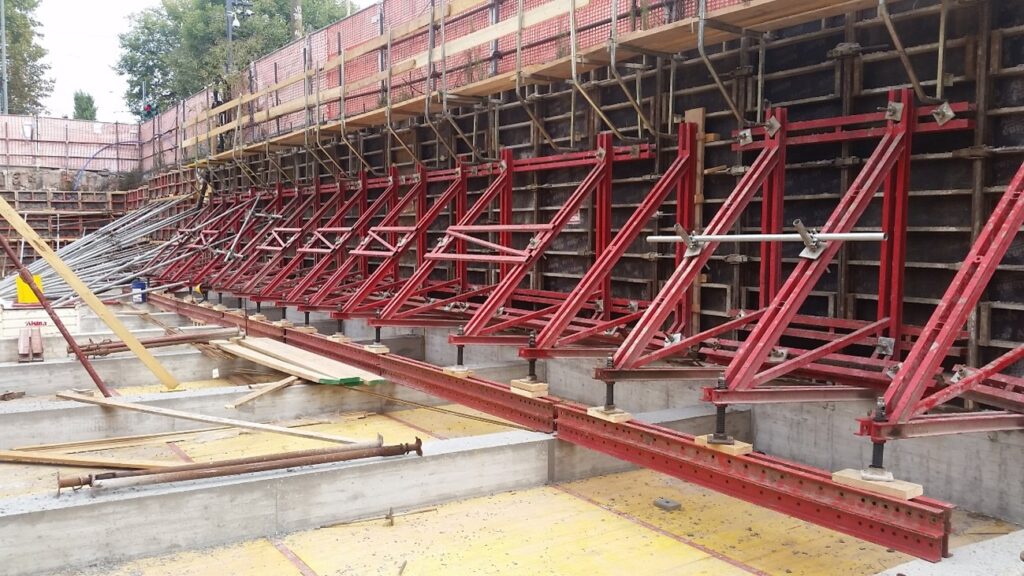
Formply is structural plywood made specifically for concrete formwork, usually with a resin-impregnated film face designed to resist moisture and create a smoother finish. Regular plywood can swell, delaminate, and telegraph veneer defects into the concrete more easily.

If they are choosing between the two, the key difference is repeatability. Formply is designed for multiple pours with less degradation, while standard ply is typically a single-use compromise.

Formply

Which thickness should they choose for their slab, wall, or column forms?

They should match thickness to span, load, and framing spacing, not just price. Thicker sheets generally deflect less under hydrostatic pressure, which helps keep faces straighter and reduces “bellying” in walls and columns.

As a rule of thumb, thin sheets can work on tight stud spacing and low pressures, but they become risky when pours are tall, fast, or poorly braced. If they are unsure, they should follow an engineered formwork design or manufacturer span tables, not guess.

What do the stress grade and structural ratings actually tell them?

The stress grade (and relevant structural rating marks) indicates the sheet’s strength and stiffness performance. That matters because wet concrete behaves like a fluid and generates significant pressure, especially on vertical forms.

If they are comparing two sheets that look identical, the rated one is more likely to deliver consistent stiffness across a job. That consistency is what helps them avoid surprises like bowed faces, joint stepping, and form failure when the pump rate increases.

How does the film face affect the concrete finish and reusability?

The film is what gives formply its water resistance and finish quality. Higher-quality film faces tend to release better, reduce surface pinholing, and stay intact longer across repeated pours.

They should check both sides. Some formply is film-faced on both sides, which can improve durability when sheets get flipped or handled roughly. If the film scratches easily or wears through at edges quickly, they should expect fewer reuses and more patch work on the concrete.

Why do edge sealing and water resistance matter so much on site?

Edges are where many sheets fail first. Even with a good film face, water can penetrate through unsealed or poorly sealed edges, causing swelling and delamination that ruins alignment and finish.

They should look for properly sealed edges and keep them sealed during the project. If they cut sheets on site, resealing those edges is not optional if they want multiple reuses. Leaving cut edges exposed is one of the fastest ways to turn “formply” into single-use waste.

What should they check about sheet size, weight, and handling before ordering?

They should confirm that sheet dimensions suit the formwork layout and the crew’s handling capability. Larger sheets can reduce joints and improve finish, but they also increase manual handling strain and can be awkward in tight access areas.

They should also plan storage and protection. Sheets left exposed to weather, mud, or uneven stacking can warp and chip, which shows up later as misalignment, grout loss at joints, and visible defects in the cured concrete.

How can they estimate the real cost, including reuses and labour?

They should price formply like a system, not a sheet. The cheapest option can become the most expensive once they add extra bracing, slower pours, patching, sanding, and early replacement.

A practical approach is to estimate expected reuses, then divide total sheet cost by realistic cycles on their site conditions. If one sheet lasts 5 pours and another lasts 12 with less repair time, the “expensive” sheet often wins on total cost and programme reliability.

Choosing formply is really about controlling risk: deflection, water damage, surface finish, and how many pours they can get before the sheets become liabilities. When they match thickness and rating to the pour, protect edges, and plan for handling and reuse, formply stops being a guess and becomes a predictable part of the concrete workflow.

FAQs (Frequently Asked Questions)

What is formply and how does it differ from regular plywood used in concrete formwork?

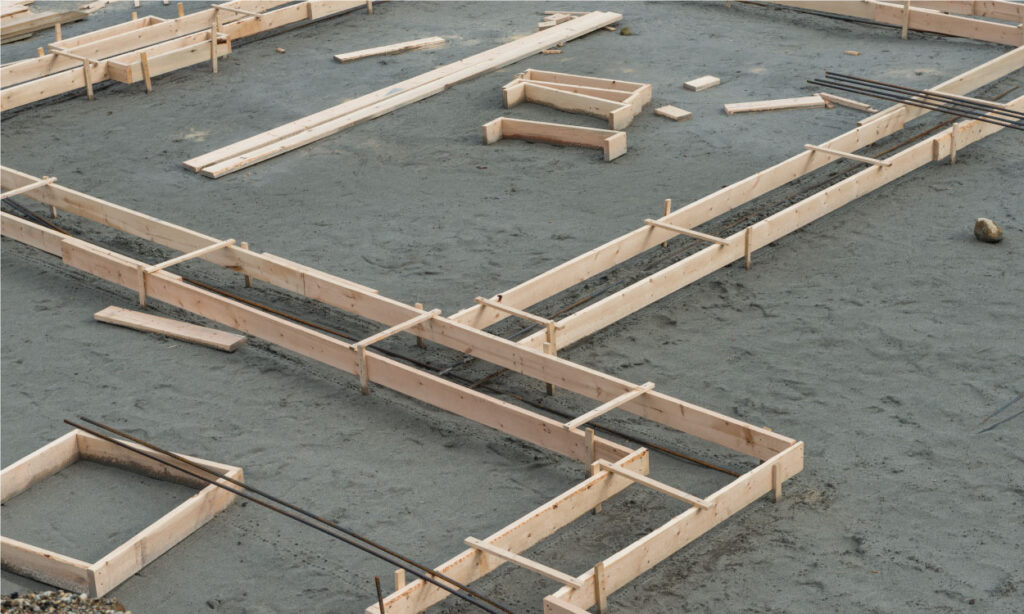
Formply is a type of structural plywood specifically designed for concrete formwork, featuring a resin-impregnated film face that resists moisture and provides a smoother concrete finish. Unlike regular plywood, which can swell, delaminate, and transfer veneer defects into the concrete, formply offers greater repeatability and durability across multiple pours.

How do I choose the right thickness of formply for slabs, walls, or columns?

Selecting the appropriate thickness depends on the span, load, and framing spacing rather than just price. Thicker sheets generally deflect less under hydrostatic pressure, maintaining straighter faces and reducing bulging in walls and columns. For tall or fast pours or poorly braced forms, thicker formply is safer. When uncertain, follow engineered design guidelines or manufacturer span tables instead of guessing.
Formply

What do stress grades and structural ratings on formply indicate?

Stress grades and structural ratings reflect a sheet’s strength and stiffness performance, critical because wet concrete exerts significant fluid pressure on vertical forms. Rated formply ensures consistent stiffness across a project, helping prevent issues like bowed faces, joint stepping, or form failure during increased pump rates.

How does the film face on formply affect concrete finish quality and sheet reusability?

The film face provides water resistance and influences finish quality by promoting better release from concrete and reducing surface pinholing. High-quality film faces remain intact over multiple pours. Sheets with film on both sides offer enhanced durability when flipped or handled roughly. If the film wears through quickly or scratches easily, expect fewer reuses and more patching work. You may like to visit https://goatdairyessay.com/formply-australia-standards-what-builders-need-to-check/ to get more about : Formply Australia Standards: What Builders Need to Check.

Formply

Why is edge sealing important for formply performance on site?

Edges are often the first point of failure due to water penetration through unsealed or poorly sealed edges causing swelling and delamination. Properly sealed edges maintain alignment and finish quality over multiple uses. When cutting sheets onsite, resealing cut edges is essential to prevent turning reusable formply into single-use waste.

How should I consider sheet size, weight, handling, and storage before ordering formply?

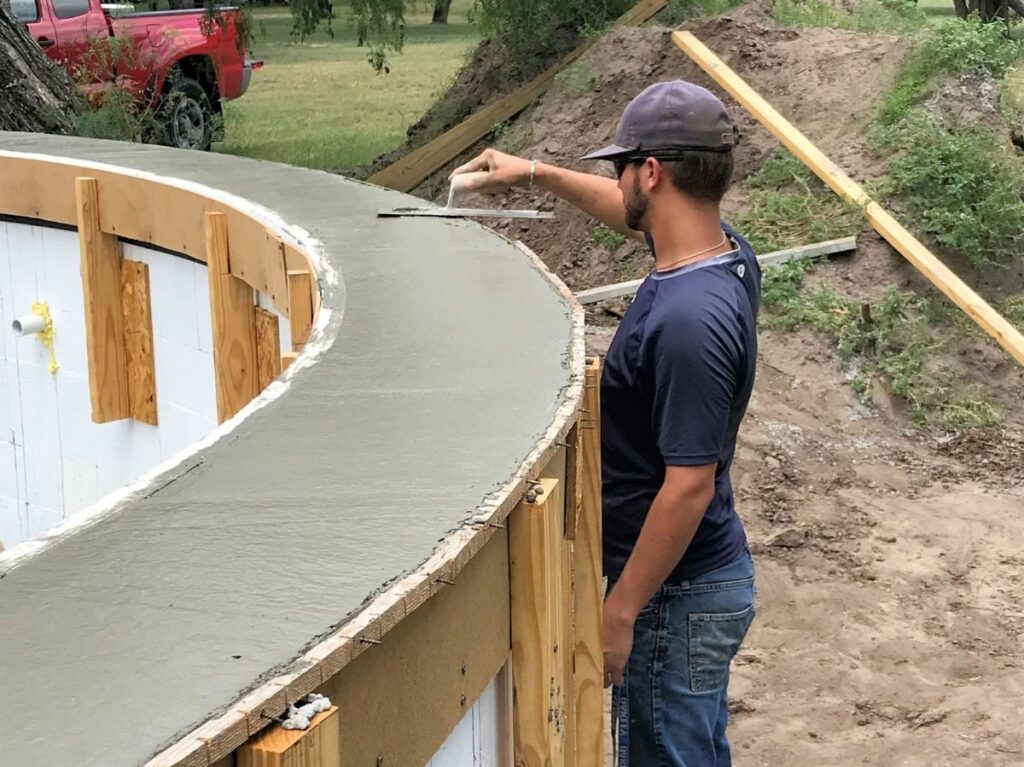
Confirm that sheet dimensions align with your formwork layout and crew handling capacity. Larger sheets reduce joints but may increase manual strain and be difficult in tight spaces. Plan for proper storage to protect sheets from weather, mud, or uneven stacking that can cause warping or chipping—issues that lead to misalignment and visible defects in cured concrete.

formply

Formply Australia Standards: What Builders Need to Check

When planning an LVL timber buy, it’s important not to confuse products used for different structural purposes. Formply, for example, is a film-faced plywood made specifically for casting concrete. Standards matter because the concrete finish, structural performance, and reusability depend on properties that are not visible at a glance, such as bond quality, veneer grade, thickness tolerance, and film durability.

If the wrong product is selected during an LVL timber buy or substituted on site, the pour may still “work,” but blowouts, patchy finishes, and early sheet failure become far more likely.

formply

Which Australian standards are relevant to formply?

Builders typically need to consider the plywood standard and the formwork requirements that sit around it. In practice, the big checks are whether the sheet is manufactured and tested to the right plywood standard, and whether it is suitable for the pressures and reuse cycles expected on their job.

They should also align selection and use with the project’s formwork design, engineering details, and any state or principal contractor requirements.

How can builders confirm a sheet is genuine formply, not just “film-faced plywood”?

They should treat “film-faced” as a description, not proof of suitability. Genuine formply is normally branded, stamped, or accompanied by documentation stating compliance, thickness, and intended structural use.

They should ask for product data sheets, compliance statements, and traceability details. If the supplier cannot provide clear documentation, it is safer to assume the sheet is not intended for structural formwork, even if it looks similar.

What markings and documentation should builders look for?

They should look for consistent edge stamps or face branding that identifies the manufacturer, sheet type, thickness, and compliance reference. Documentation should match what is printed on the sheet and what was ordered.

At minimum, they should request:

  • A current product data sheet
  • A compliance statement or certificate
  • Handling, sealing, and reuse guidance
  • Any limitations on exposure, recoat, or maximum reuses

If the paperwork is generic and does not identify the exact product, they should push back.

What thickness and tolerance checks should they do before use?

They should measure thickness across a sample of sheets from the pack, not just one corner of one sheet. Small thickness variations can translate into lips at joints, grout loss, and extra grinding after strip.

They should also confirm the nominated thickness matches the formwork design assumptions. If the engineer has designed around a specific sheet capacity, swapping thickness “because it is in stock” can be a real risk.

How should they assess the face film quality for concrete finish?

They should check the film is intact, uniform, and well bonded, with no widespread pinholes, blisters, lifting, or scratches. Those defects often print straight through into the concrete as dull patches, marks, or surface pitting.

They should also check both faces, because some sheets are designed with a “good face” and a “utility face.” If the intended good face is installed against framing by mistake, the visible concrete finish can suffer.

What edge sealing and cut protection should they verify?

They should confirm the factory edge seal is present and continuous. Then they should reseal every cut edge and penetrations as sheets are trimmed and drilled, because water and cement paste entry is one of the fastest ways to destroy a plywood panel.

If they are seeing swollen edges, furry veneers, or darkened end-grain early in the reuse cycle, it usually points to poor edge sealing, poor storage, or both.

What structural performance checks should they align with the formwork design?

They should ensure the sheet selected matches the expected loads, stud spacing, tie spacing, and pour rate. A panel that is “fine on slabs” may not be fine for tall walls, columns, or high pour rates where hydrostatic pressure spikes.

They should also check that framing is straight and adequately supported, because even the best formply will telegraph framing irregularities into the concrete face, and localised overloading can cause bowing or blowouts.

What site storage and handling checks prevent premature failure?

They should store sheets flat, off the ground, and protected from sun and rain. Wet packs left in the weather are a common cause of swelling, film lifting, and mould staining that later shows up in the finish.

They should lift and move sheets in a way that avoids corner damage, because corner bruising often turns into face film delamination after the first strip. If the pack arrives damaged, they should document it immediately and quarantine questionable sheets.

What release agent and cleaning practices should they check?

They should use a compatible release agent and apply it lightly and consistently. Over-application can stain concrete, soften film over time, and attract dust that marks the finish.

After stripping, they should clean while residues are still fresh, avoid aggressive scraping that gouges the film, and repair minor face damage early. A sheet that is “mostly fine” can quickly become unusable if small defects are ignored across multiple pours.

What are common compliance red flags builders should not ignore?

They should be cautious if any of these show up:

  • No clear compliance documentation for the exact product
  • Inconsistent or missing sheet branding and stamps
  • Film peeling at edges straight out of the pack
  • Significant thickness variation within the same bundle
  • Strong warping, twisting, or edge swelling before first use
  • Supplier claims that rely on marketing terms instead of test references

If several red flags appear together, switching product early usually costs less than trying to manage failures mid-program.

formply

What should builders check before signing off a pour using formply?

They should confirm the formwork is built to the drawings, joints are tight, edges are sealed, and the correct face is oriented to the concrete. They should also confirm bracing, tie placement, and pour rate controls are in place.

A quick pre-pour checklist helps: sheet condition, fixings, alignment, cleanliness, release agent, and protection from rain. Those basics do more for the final finish than most “premium” upgrades.

FAQs (Frequently Asked Questions)

What is formply and why are Australian standards important for its use in structural concrete formwork?

Formply is a film-faced plywood specifically made for casting concrete. Australian standards matter because they ensure the concrete finish quality, structural performance, and reusability of the sheets. These standards cover critical properties like bond quality, veneer grade, thickness tolerance, and film durability that are not visible at a glance. Using the wrong product can lead to blowouts, patchy finishes, and early sheet failure.

How can builders verify that a plywood sheet is genuine formply suitable for structural formwork?

Builders should not rely solely on the term “film-faced” as proof of suitability. Genuine formply is typically branded, stamped, or accompanied by documentation indicating compliance with standards, thickness, and intended structural use. Builders should request product data sheets, compliance statements, and traceability details from suppliers. If clear documentation is not provided, it is safer to assume the sheet is not intended for structural formwork.

What markings and documentation should be checked before using formply sheets on site?

Builders should look for consistent edge stamps or face branding that identify the manufacturer, sheet type, thickness, and compliance references. Documentation should include a current product data sheet, a compliance statement or certificate, handling and reuse guidance, and any limitations regarding exposure or maximum reuses. The paperwork must match what is printed on the sheets and what was ordered; generic documents without exact product identification warrant pushing back.

What thickness and tolerance checks are essential before using formply in construction?

Builders should measure thickness across multiple sheets in a pack rather than just one corner of one sheet to detect small variations. Such variations can cause lips at joints, grout loss, and additional grinding after stripping. Additionally, they must confirm the nominated thickness matches the formwork design assumptions since substituting thicknesses based on stock availability can compromise structural integrity.

How should builders assess face film quality to ensure a good concrete finish?

The face film should be intact, uniform, well bonded with no widespread pinholes, blisters, lifting or scratches as these defects imprint directly onto the concrete surface as dull patches or surface pitting. Both faces of the sheet must be checked because some sheets have a designated ‘good face’ for concrete contact; installing the wrong face against framing can degrade the visible finish. Click here to get more about : 7 Things to Know Before Choosing Formply for Concrete Projects.

formply

What site storage and handling practices help prevent premature failure of formply sheets?

Sheets should be stored flat, off the ground and protected from sun and rain to avoid swelling, film lifting or mould staining. Wet packs left exposed are common causes of damage affecting finish quality. Sheets must be lifted carefully to avoid corner damage since bruised corners often lead to delamination after first use. Any damaged packs received should be documented immediately and questionable sheets quarantined.